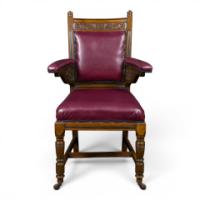
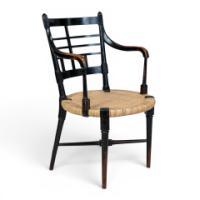
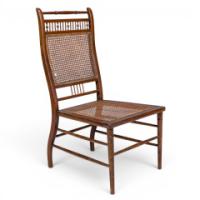
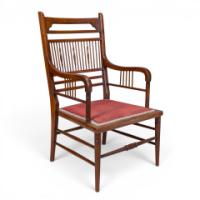
iconic, eclectic architect-designer, and the unrivalled forerunner of the Modern Movement.
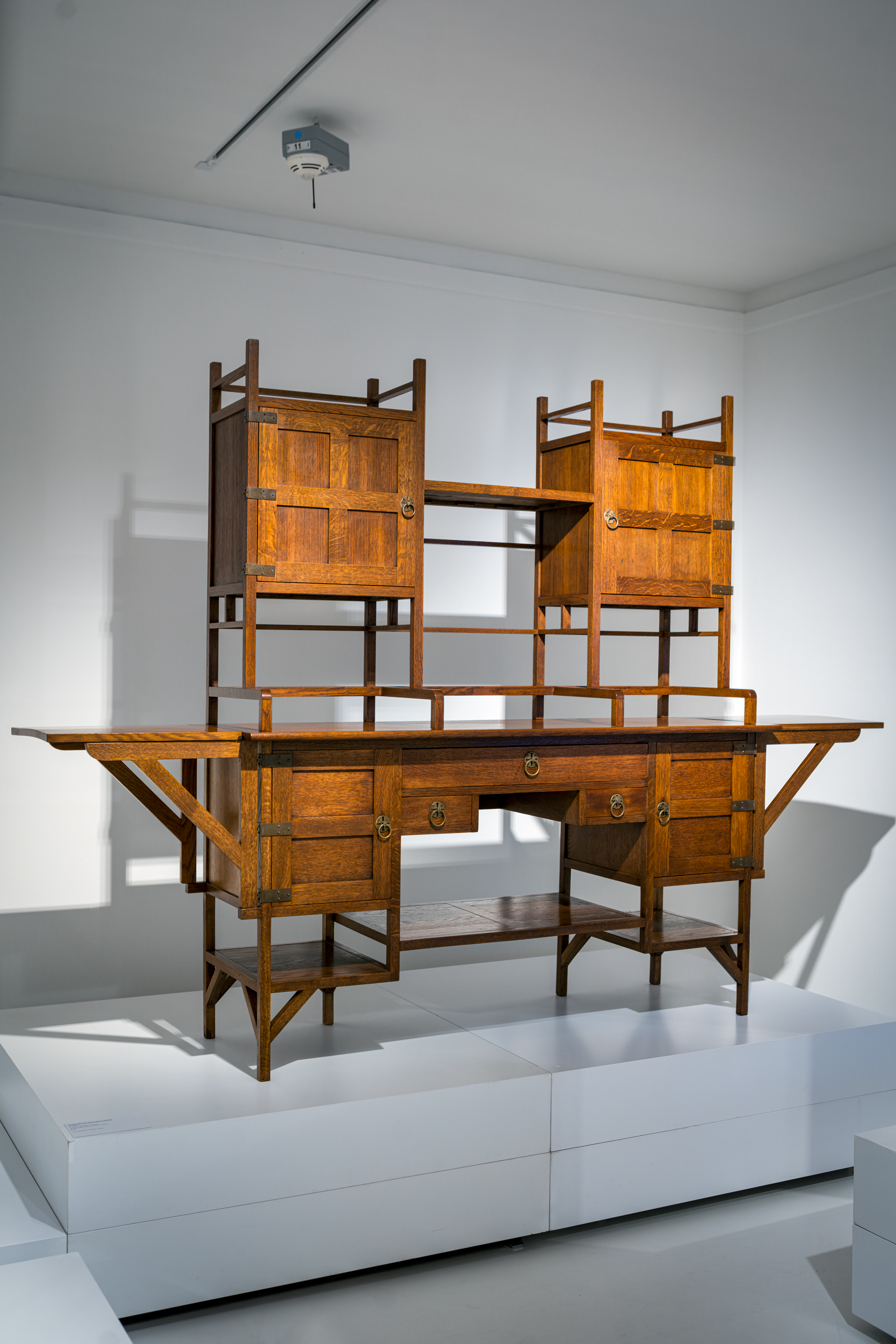
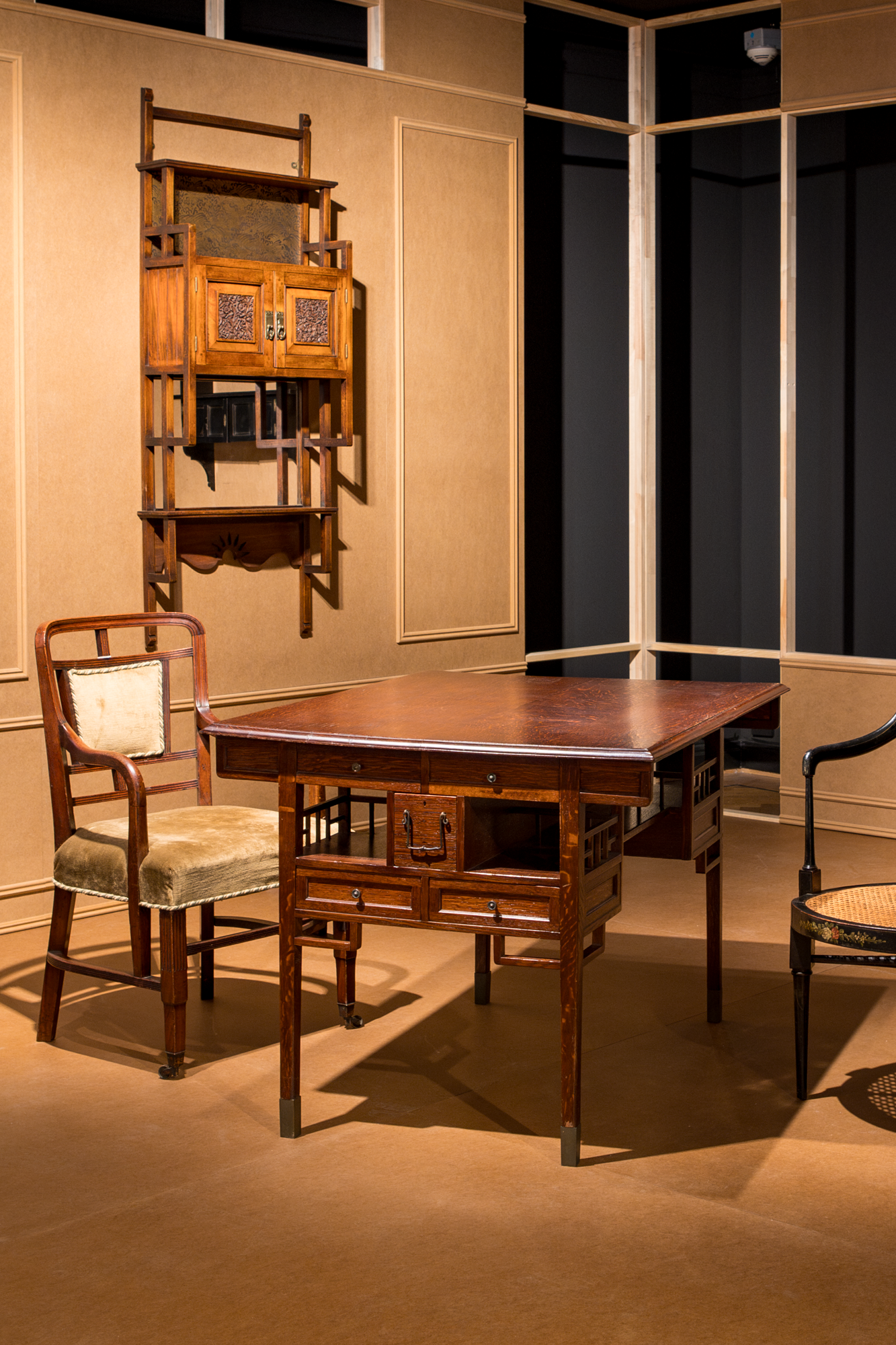
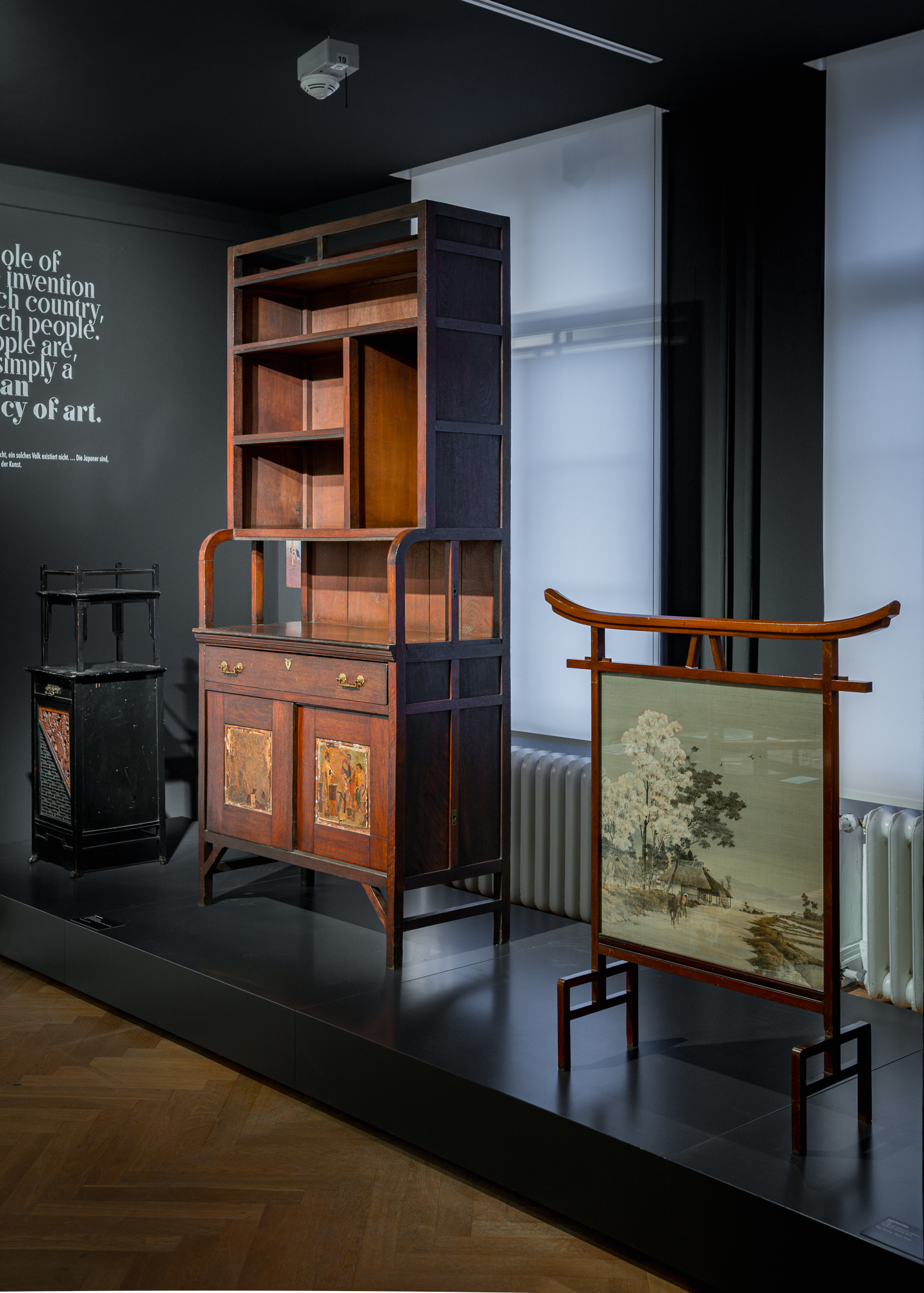
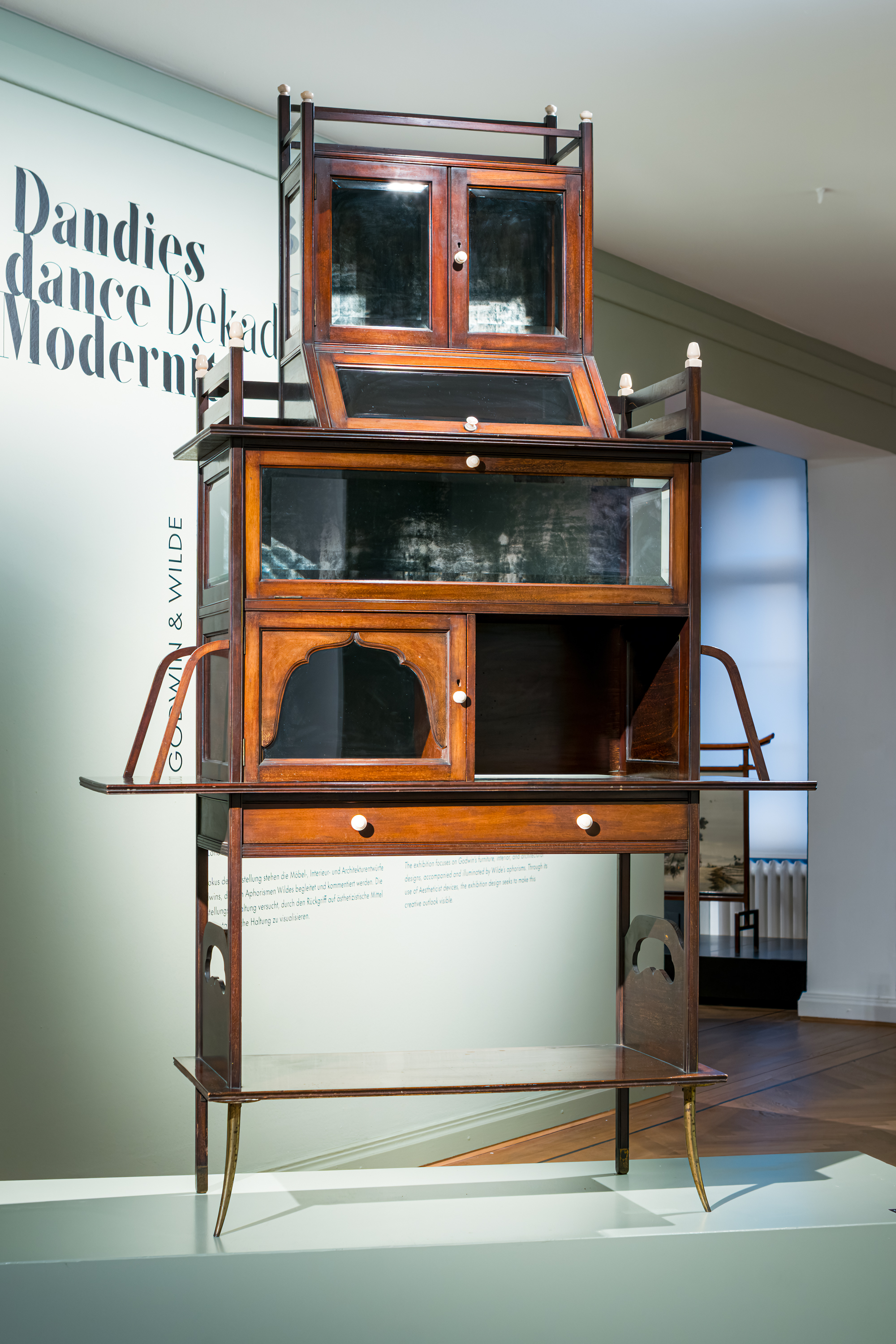
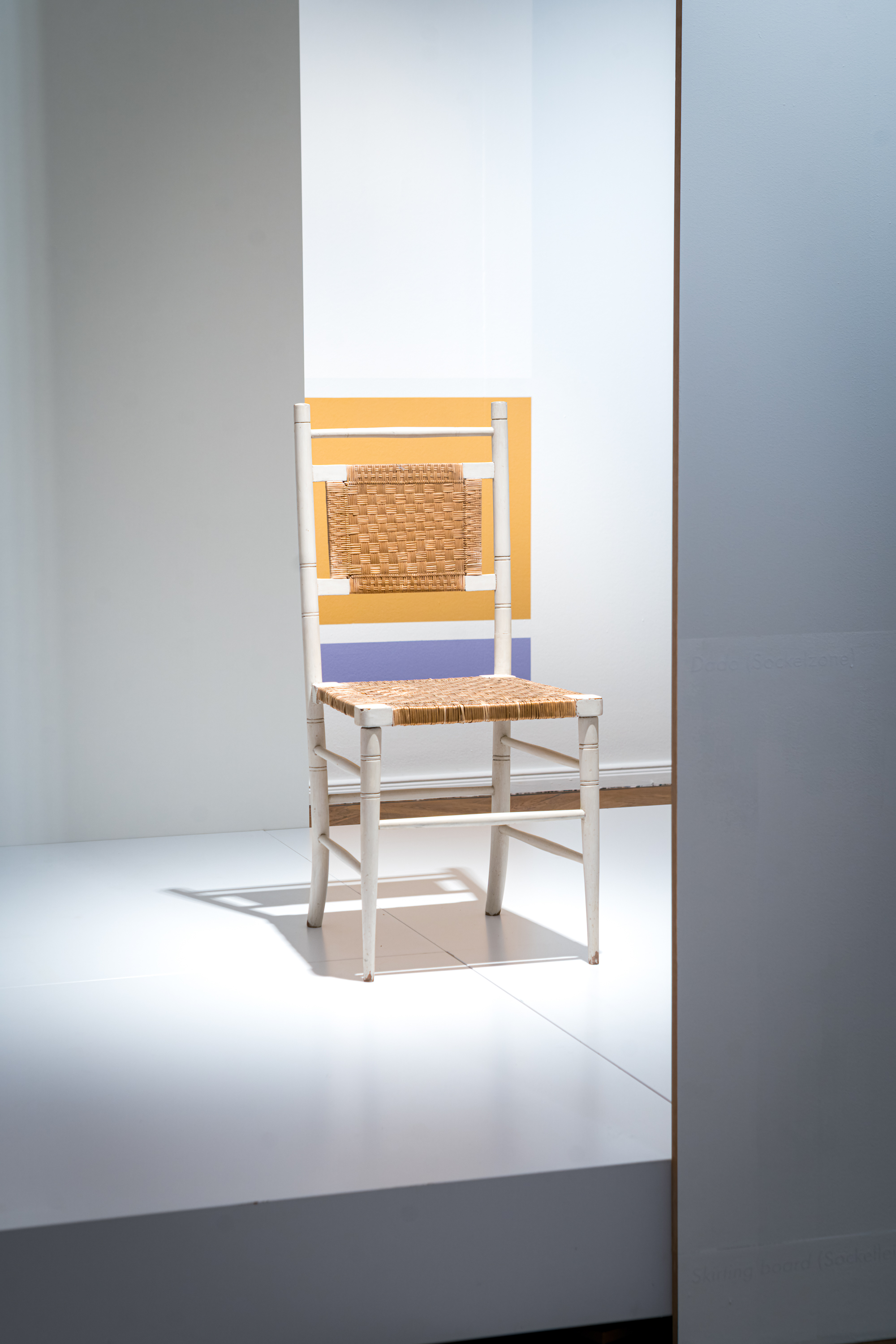
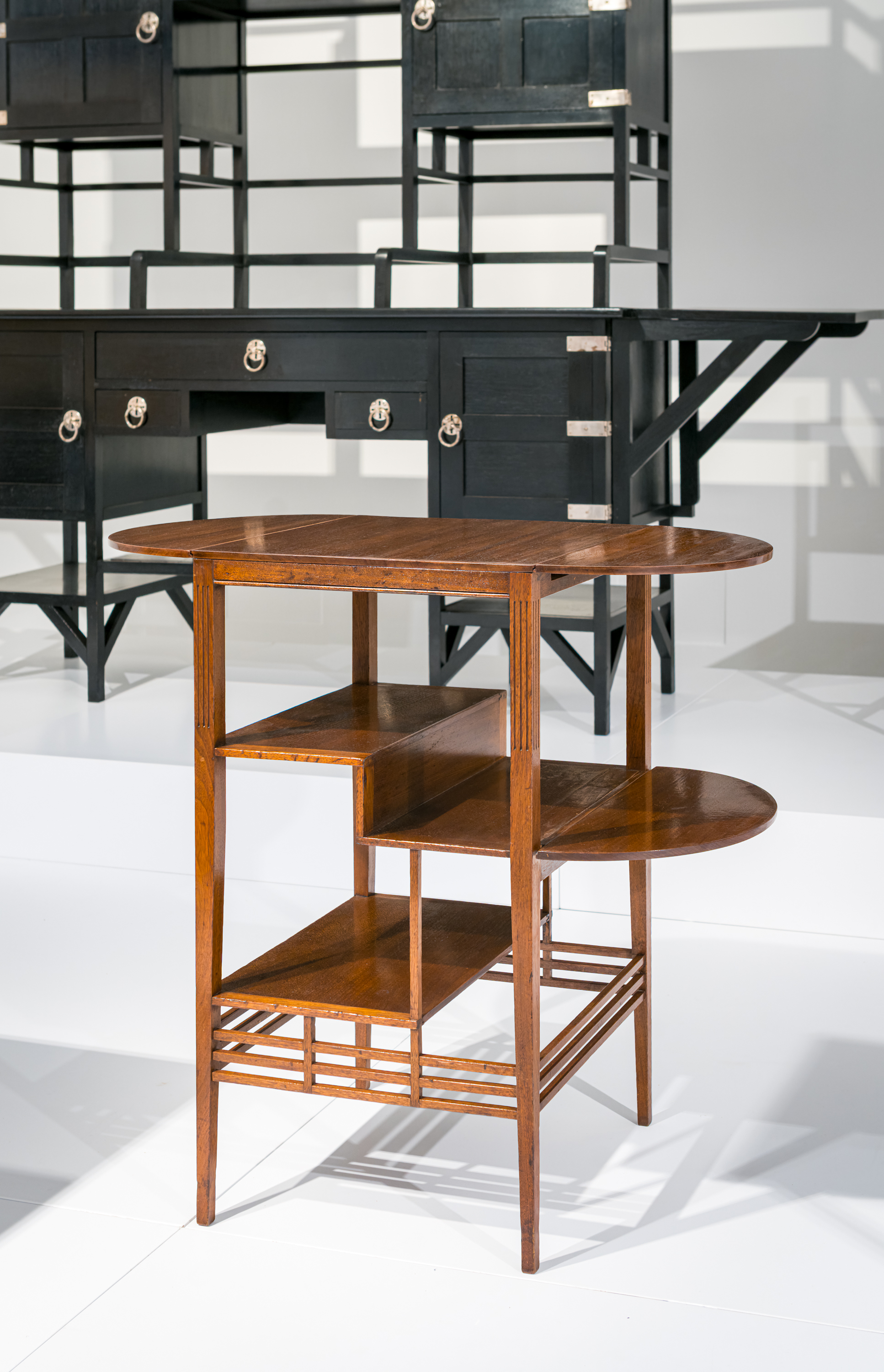
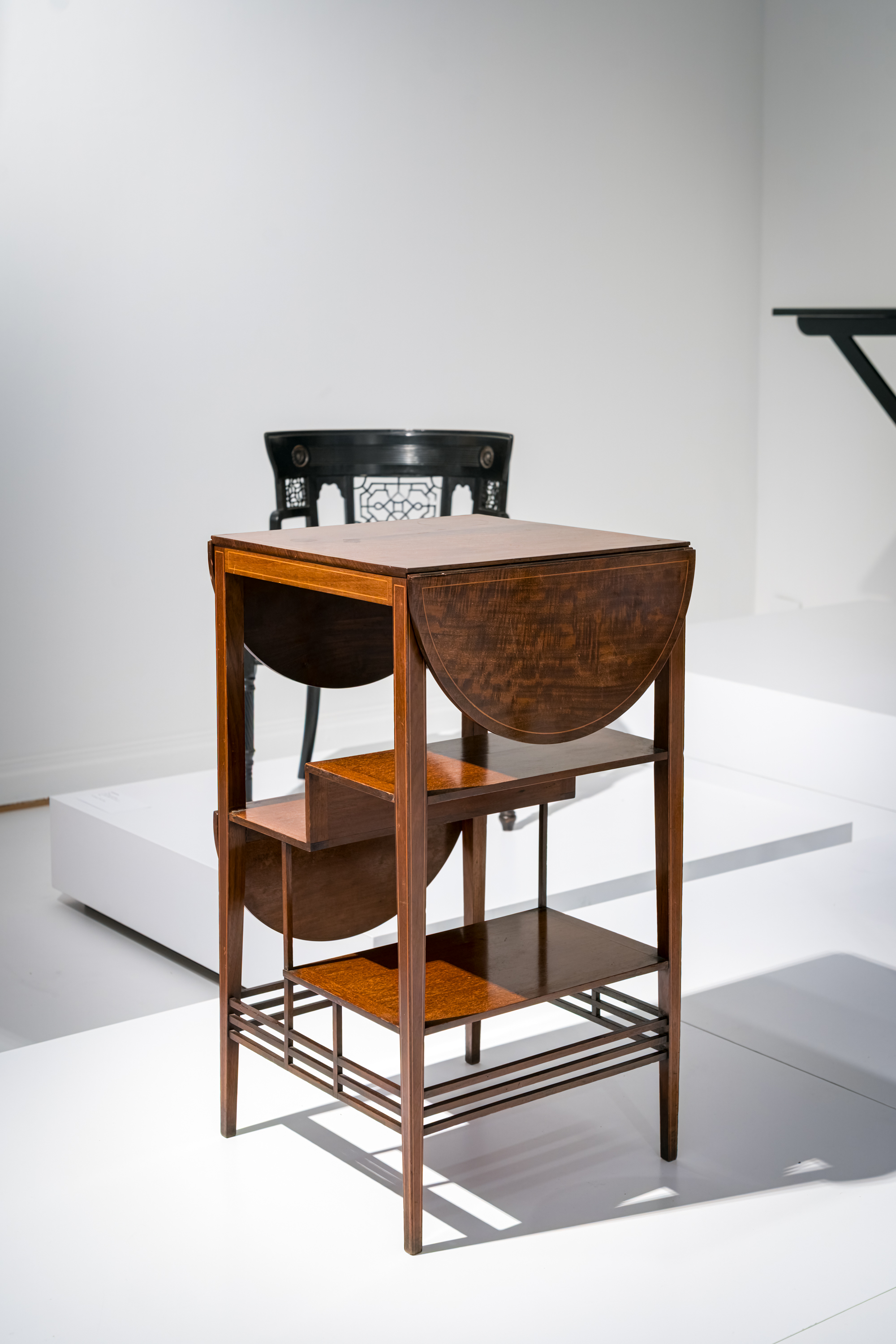
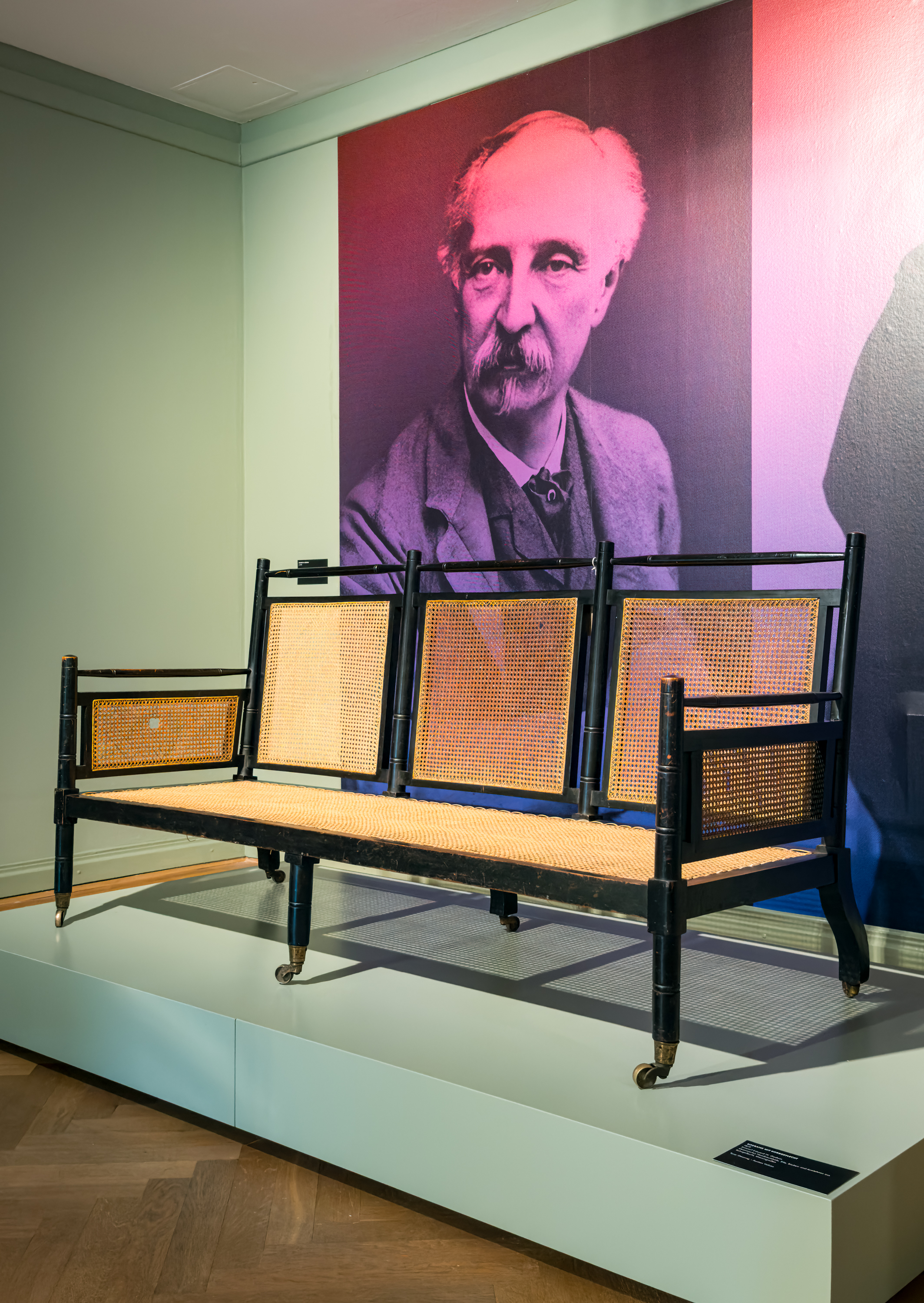
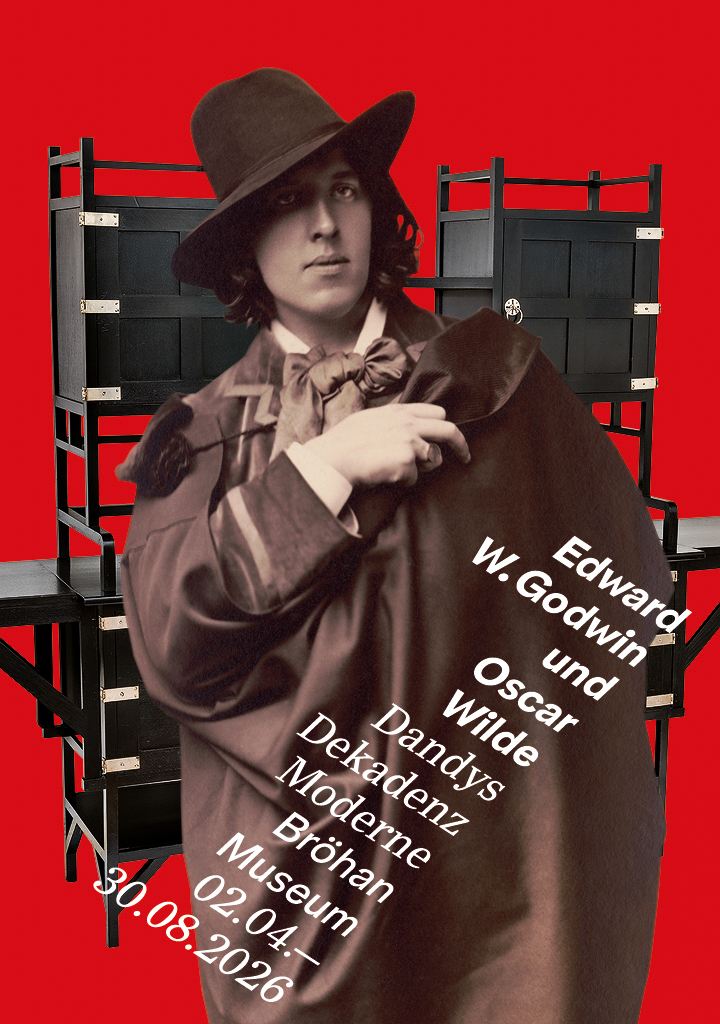
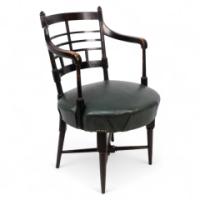
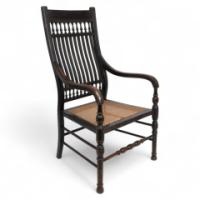
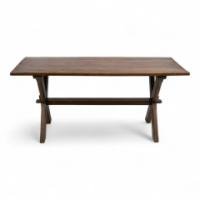
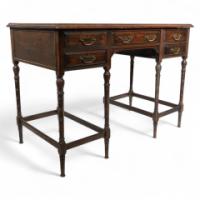
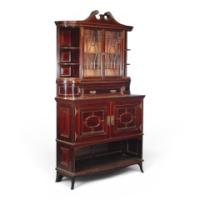
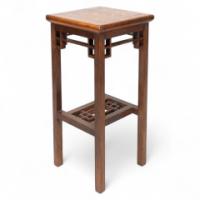
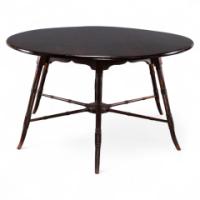
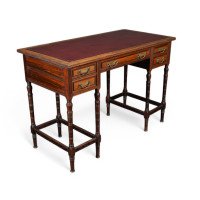
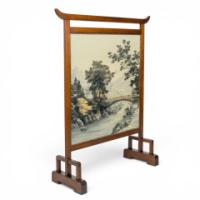
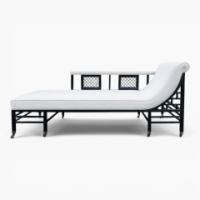
I have been collecting furniture designed by E. W. Godwin for almost 40 years. His designs stood out and appealed to me from very early on in my career as an art and antique dealer. Much of the furniture displayed here is from my personal collection. The other half of my collection I have loaned to an important exhibition dedicated to E. W. Godwin and Oscar Wilde, called Dandies, Decadence and Modernism, which I have set up in partnership with the Bröhan Museum in Berlin. The star of the show is an Anglo-Japanese iconic oak sideboard and two iconic Smallhythe tables, alongside three unique pieces: the Art Cabinet, an Anglo-Japanese writing table, and an Anglo-Japanese cane seat settee, all made by William Watt, including many Godwin pieces the market has never seen!
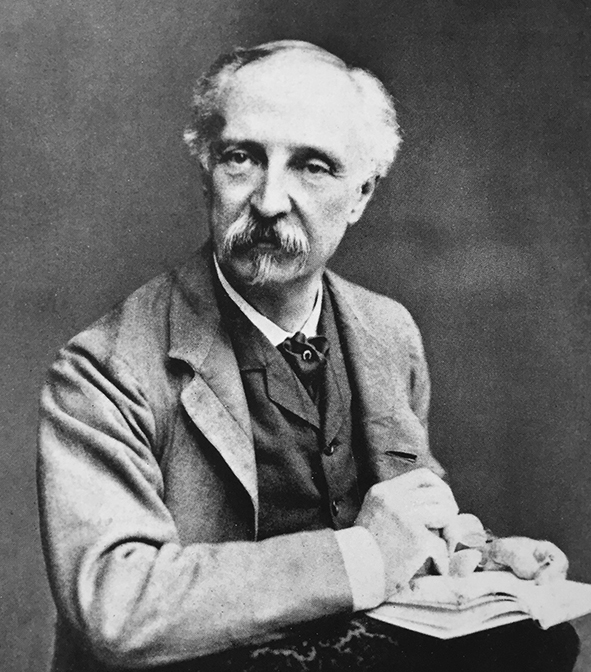
Edward William Godwin (1833–1886) was a pioneering British architect, designer, interior decorator, reformer, writer and critic, antiquary, dress designer and theatrical producer, and a dandy, often affectionately referred to by his friends and family as “The Wicked Earl”. Max Beerbohm wrote that “Godwin was the greatest Aesthete of them all”.
Godwin was brought up in Bristol on the banks of the River Frome. In 1848, Godwin trained under the Bristol city surveyor, architect, and civil engineer William Armstrong in the Gothic Revival style. He later became famous for his economic, hygienic, minimalist, elegant furniture designs inspired by Japan, long before Japonisme became widespread in Britain, America, Australia and Europe from the late 1850s.
Godwin was the leading designer of the Aesthetic Movement and arguably the inventor of Anglo-Japanese furniture, the most important of his design repertoire. Godwin designed furniture, textiles, glass, metalwork and interiors, a master of restraint and subtle ornament that emphasised refined proportions and superior craftsmanship of the late Victorian period. His architecture, interiors and furniture designs were so ahead of their time that he went on to influence the Arts and Crafts Movement, Art Nouveau and the Scandinavian modernism movement that followed almost a century later.
He greatly influenced the next generation of designers, C. R. Mackintosh, George Walton and C. R. Ashbee, including C. F. A. Voysey, who said the designers who influenced him most were E. W. Godwin and Arthur Heygate Mackmurdo.
Edward William Godwin (1833–1886)
Dandies, Decadence and Modernism
The exhibition Dandies, Decadence and Modernism opened at the Bröhan Museum on the 1st of April and runs until the end of August 2026.
We will showcase the above exhibition on our new sister website, Aesthetic Iconic, which we will be launching later in June.
You can see me at the Bröhan Museum talking about my collection on our Instagram pages:
Godwin and the Modern Movement
Godwin’s famous, iconic Anglo-Japanese sideboard design is cited as the most important piece of furniture ever designed in the late 19th century, and he is now recognised as the forerunner of the Modern Movement. He was a frequent collaborator with figures like Oscar Wilde, for whom he designed the interiors in Tite Street, Chelsea, and James McNeill Whistler, for whom he designed the White House, also in Tite Street, which predicted modern house design into the 20th century.
His patrons included royalty: he designed an art studio on the grounds of Kensington Palace for the decadent feminist Princess Louise, the fourth daughter of Queen Victoria and Prince Albert. One of his closest friends was the high Victorian dreamer William Burgess. He fell in love with the most famous stage actress of the late Victorian period, Ellen Terry eloping to Bedford to live a secluded life away from the limelight, having two children out of wedlock a scandalous affair, but their love didn’t care for the stiff upper lip of middle class society.
Rediscovery and Scholarship
Godwin was lost to obscurity after he died in 1886. Only Oscar Wilde still held a flame for him, and by 1900 he was all but forgotten, until Hermann Muthesius, in his 1904 study of The English House, wrote that Godwin’s furniture was “responsive to rational progress,” showing “a great advance” in its lightness and elegance, and foreshadowing “the idea of the modern interpretation which was soon to follow.”
George Dudley Harbron’s book, The Conscious Stone: The Life of Edward William Godwin (1949), identified the range of Godwin’s achievements, which built further interest in his work. In 1952, an exhibition at the Victoria and Albert Museum displayed one of Godwin’s iconic Anglo-Japanese sideboards for the very first time, bringing Godwin back from obscurity as an important 19th-century designer for a new generation of academics.
Nikolaus Pevsner illustrated a line drawing of the White House in the third edition of his book Pioneers of Modern Design, a small but crucial entry which assured that Godwin would be included in the assessment of the Modern Movement going forward. Juliet Kinchin states that in 1994 Godwin was singled out as the “unrivalled forefather” of the Modern Movement.
Godwin’s Design Range
Godwin exhibited furniture at Vienna in 1873, Philadelphia in 1876 and Paris in 1878, and supplied designs to many of the leading manufacturers of the day, including William Watt, Collinson and Lock and Gillow’s. He incorporated hygiene and economy into his furniture designs, which was revolutionary at a time when disease was widespread and still not understood.
Unlike other famous designers of the day, Godwin’s range was far greater, designing in six distinctly different styles: Gothic Revival, Anglo-Japanese, Anglo-Greek, Anglo-Egyptian, Old English or Jacobean, and Queen Anne or Cottage style. His designs were so perfect that many lesser makers of the period plagiarised them even while he was alive, and into the 20th century.
Godwin on Art Work
Godwin wrote: “I look upon all my work as Art Work. A building to me is as a picture to a painter or a poem to a poet.”
Written and researched by Tony Geering.
We will be adding more Godwin originals to these pages over the coming weeks.