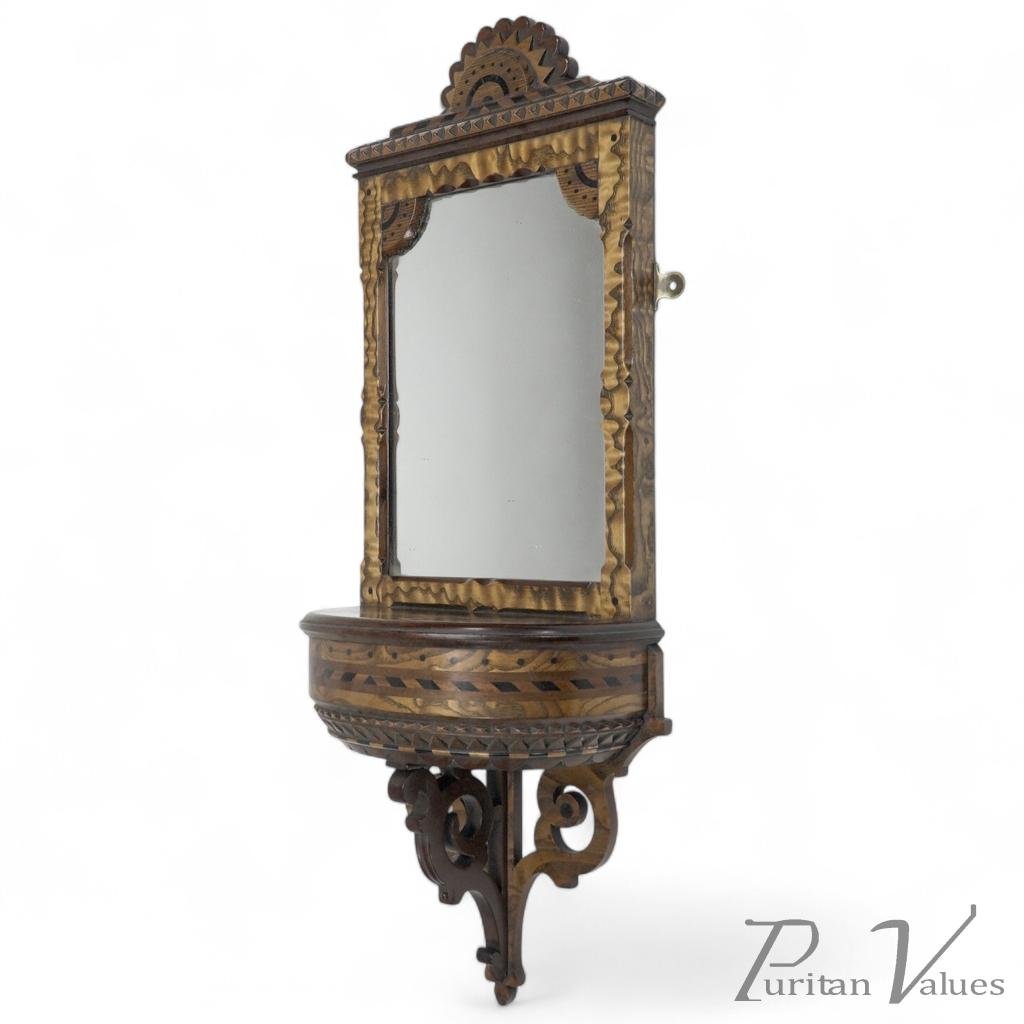
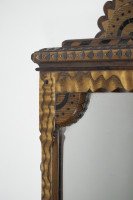
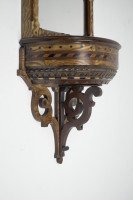
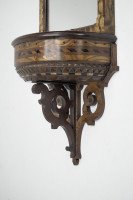
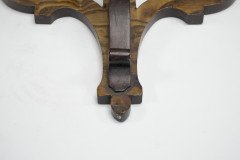
Charles Bevan, Marsh Jones & Cribb. Aesthetic Movement Exhibition Quality Shelf
Price on Application
This item is price on application due to its rarity and importance.
Width: 12 in (30.48 cm)
Depth: 6.5 in (16.51 cm)
1870-1879
About this piece
Charles Bevan, for Marsh Jones & Cribb
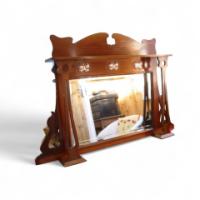
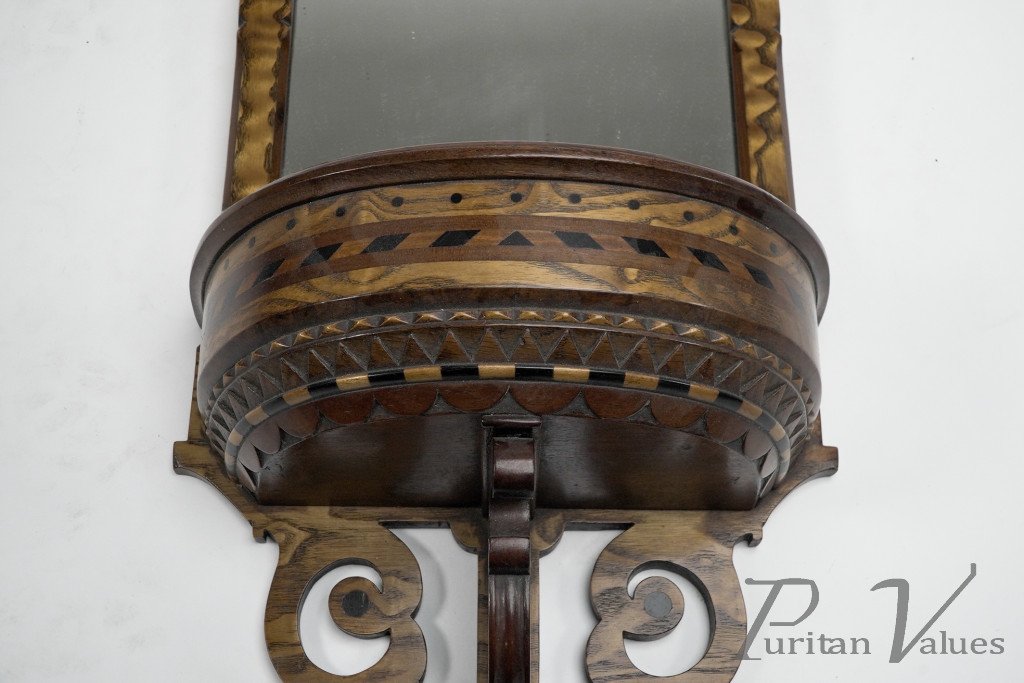
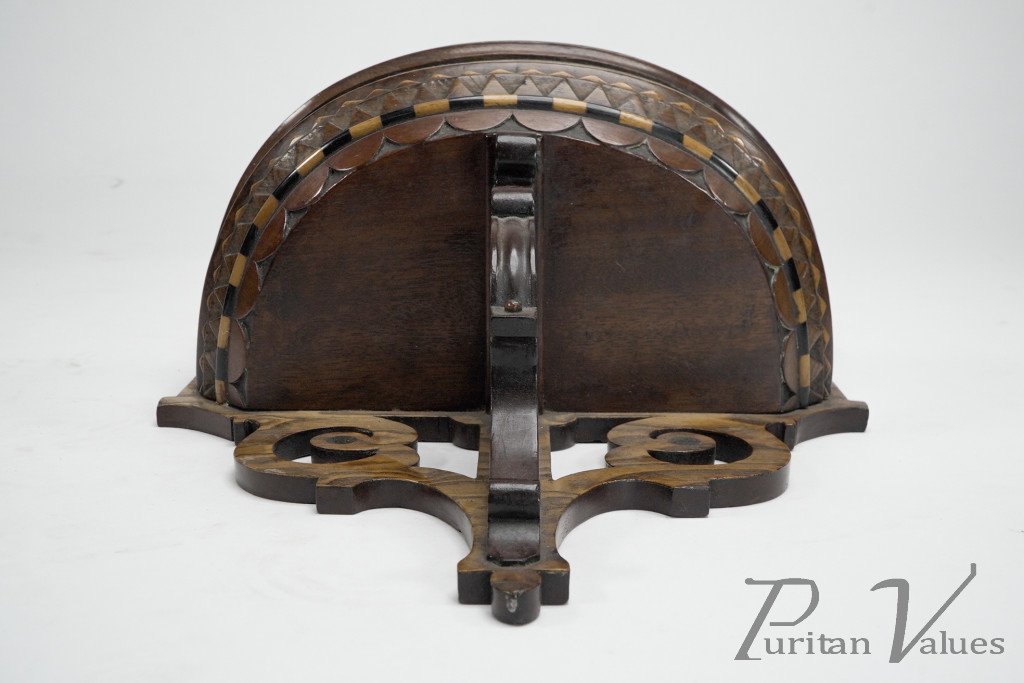
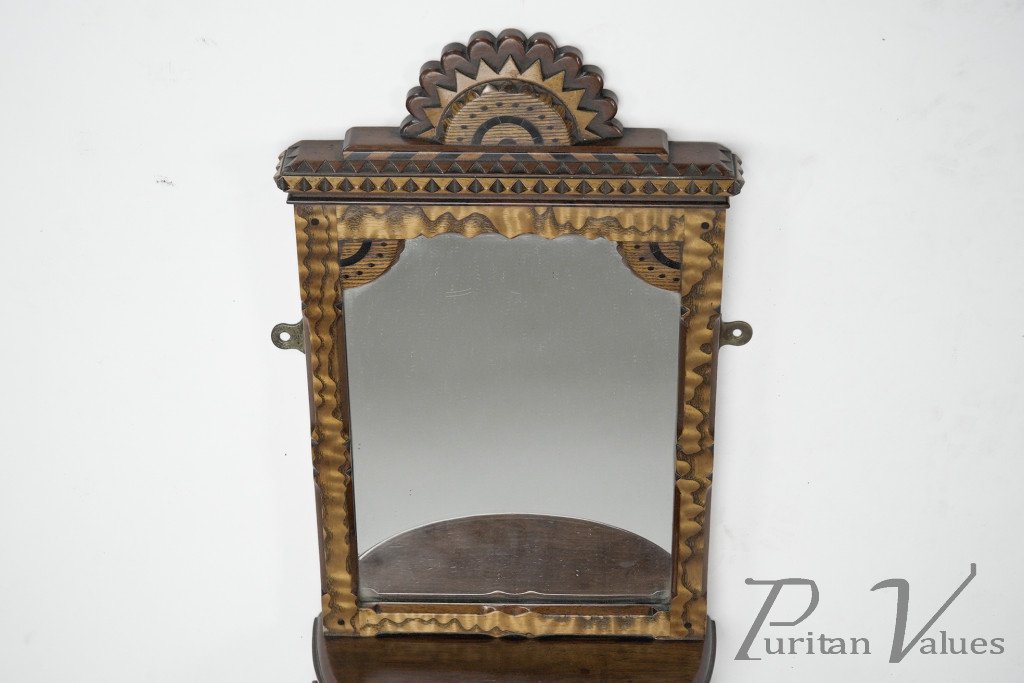
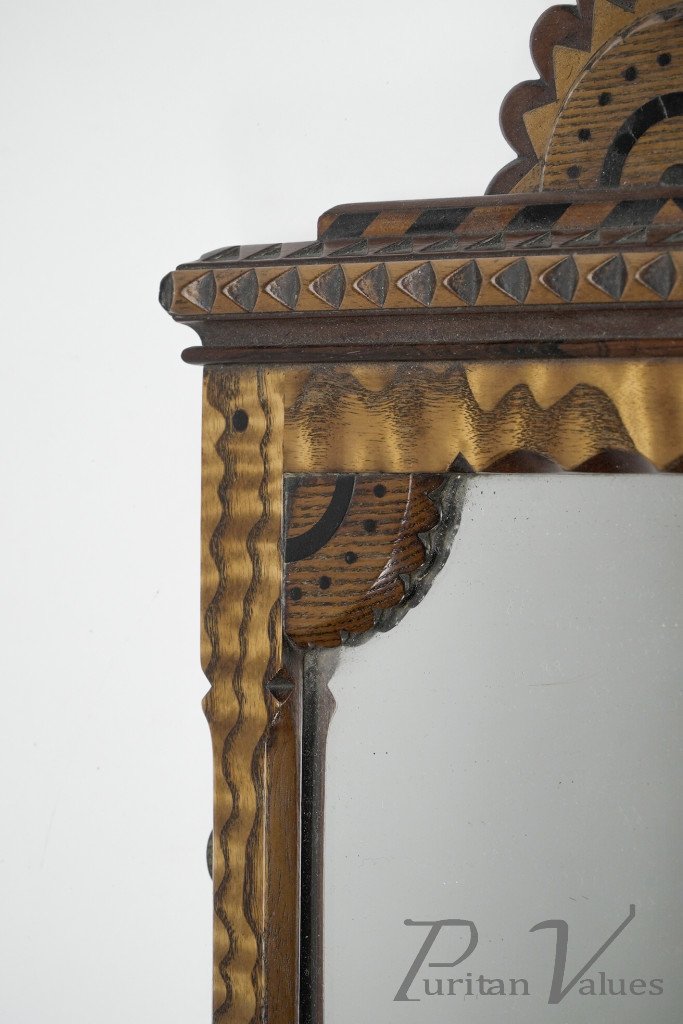
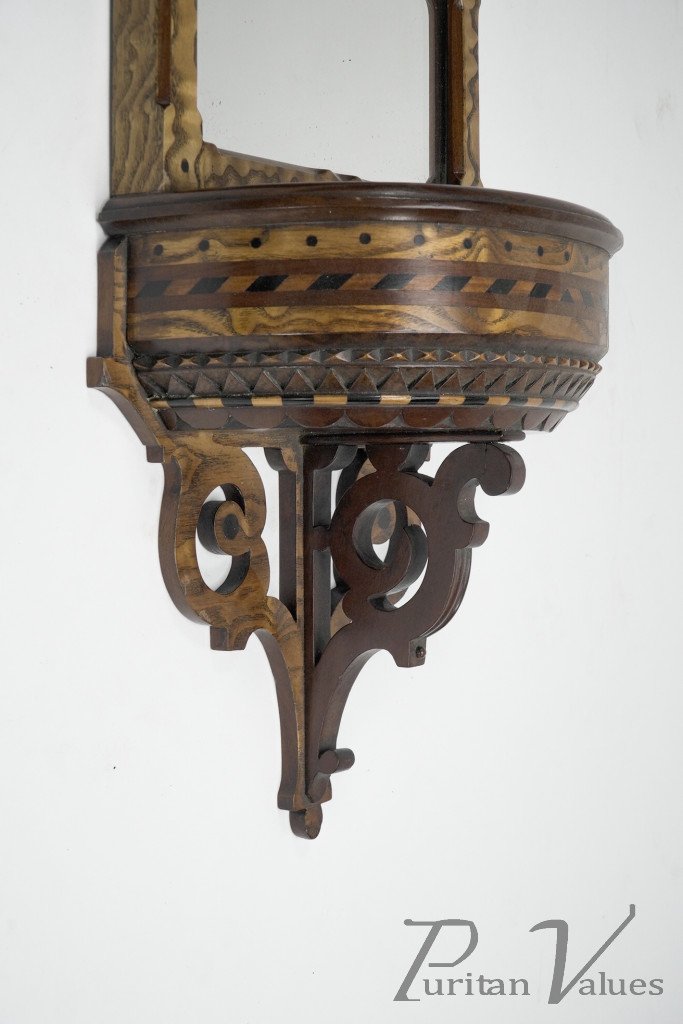
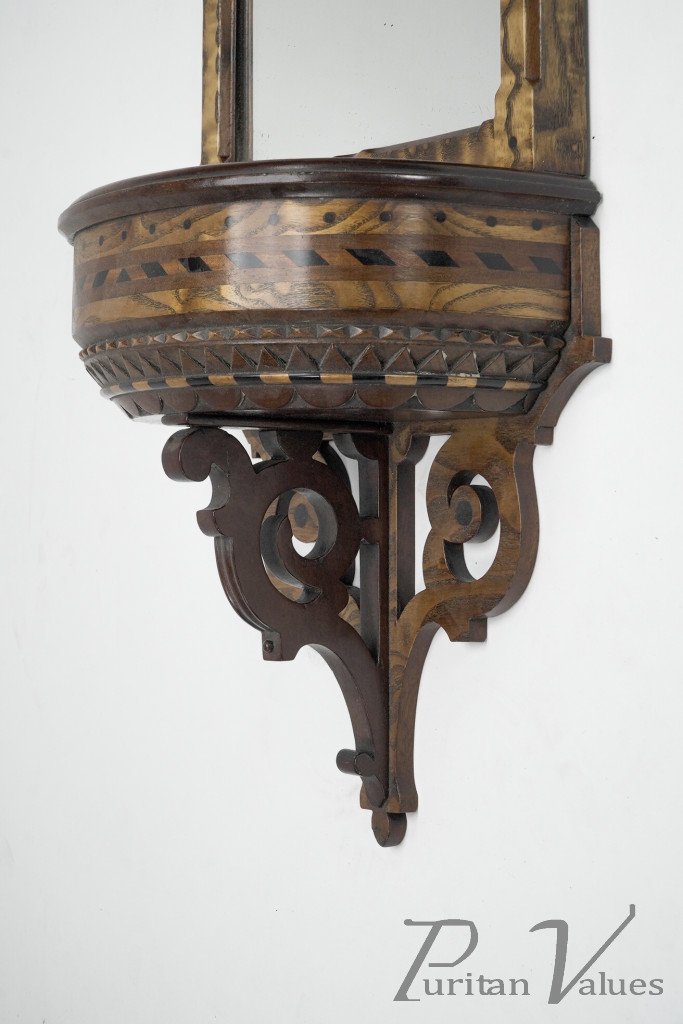
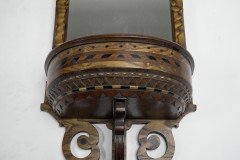
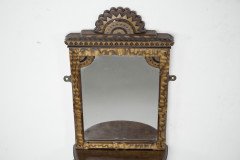
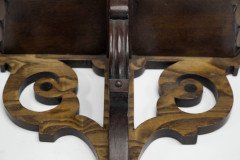
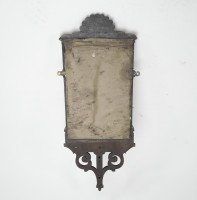
An exceptional English Aesthetic Movement exhibition-quality wall shelf, executed by a master craftsman of the period and made as a showpiece using an array of specimen woods.
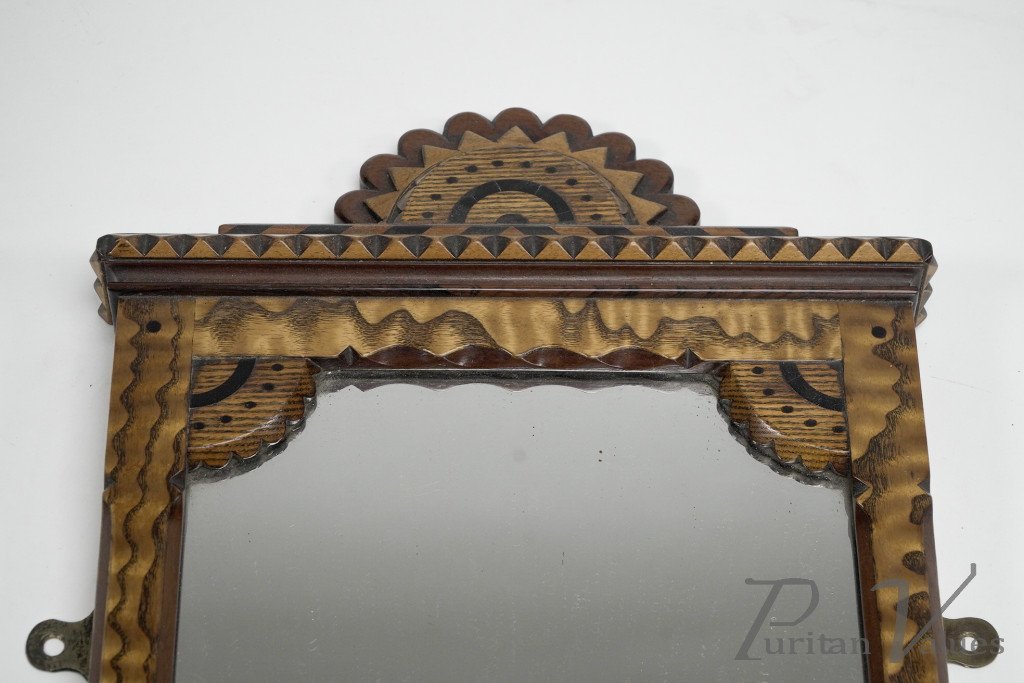
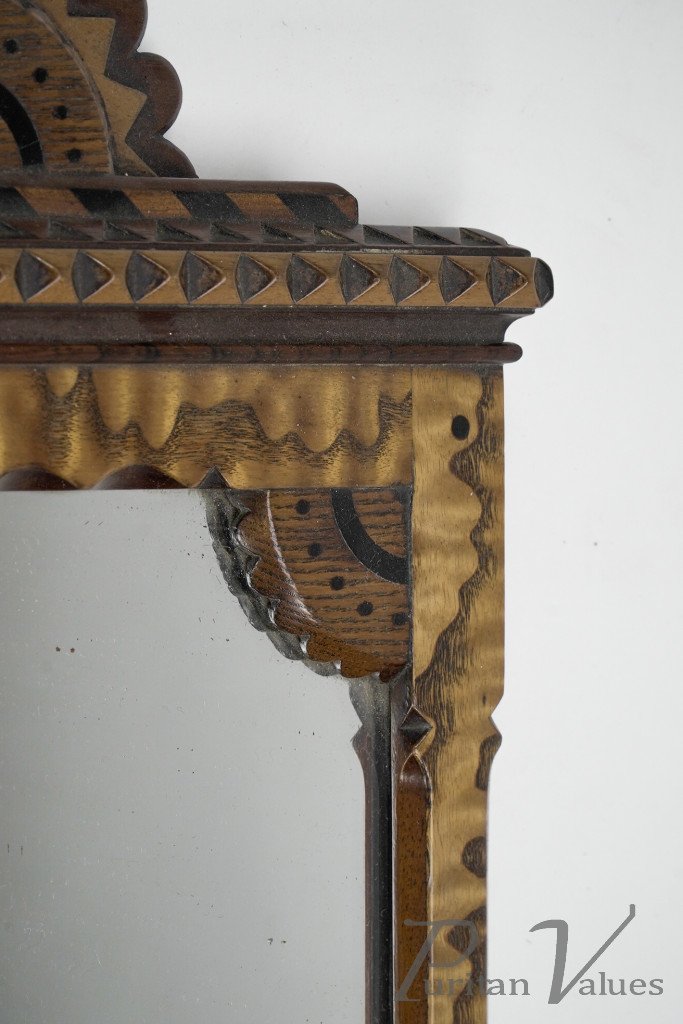
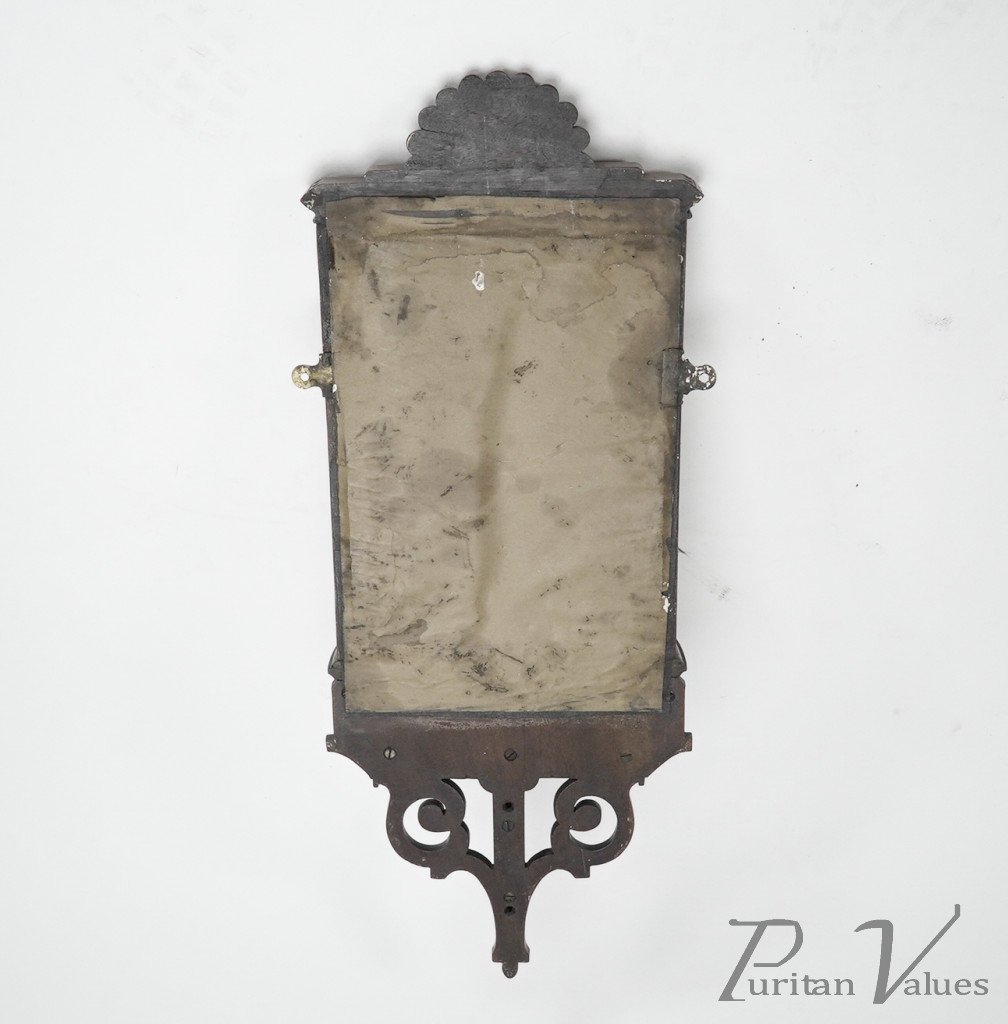
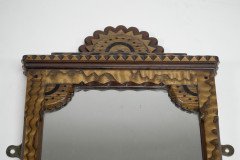
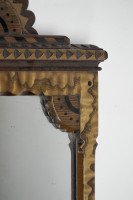
The main body looks to be made from Hungarian Ash, with a floral crown made from Walnut on the upper back, then Satinwood crowned with chevron details and ebonised dots, and conforming semi-circular inlaid ebonised details, with quartered conforming details to the top mirror corners.
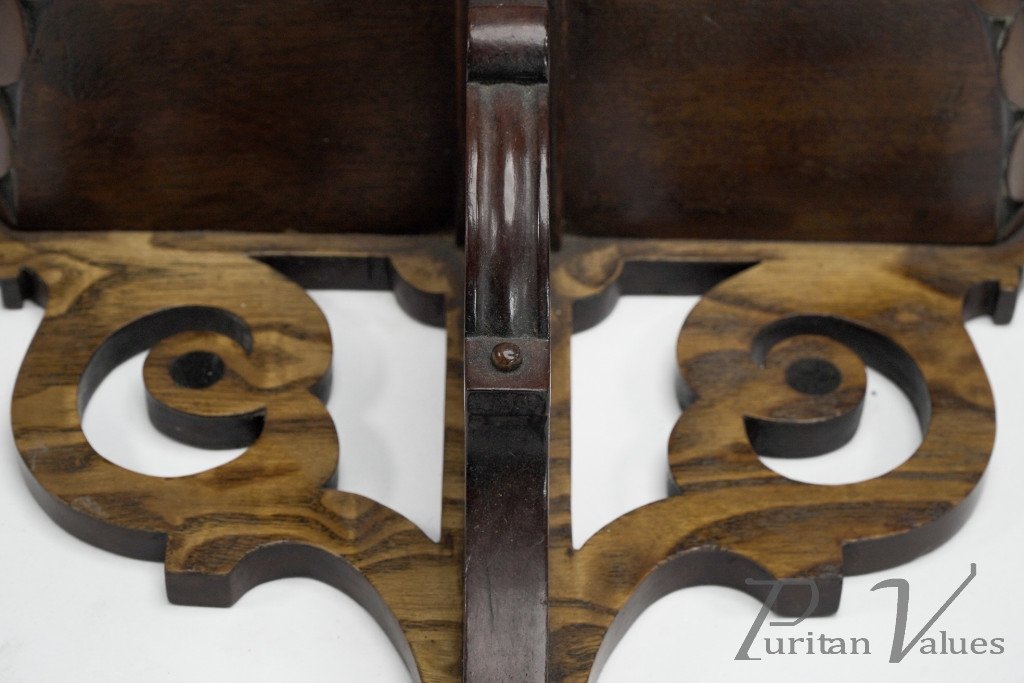
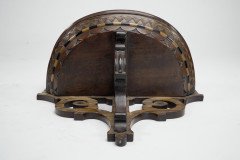
The semi-circular shelf is made from Walnut with Hungarian Ash below, inlaid with ebonised and stained Beech or possibly Sycamore, continuing around the semi-circle with three separate types of carved mouldings to the lower section, centred with a protruding bead-moulded edge made up of individual pieces of rounded ebonised wood and Boxwood details.
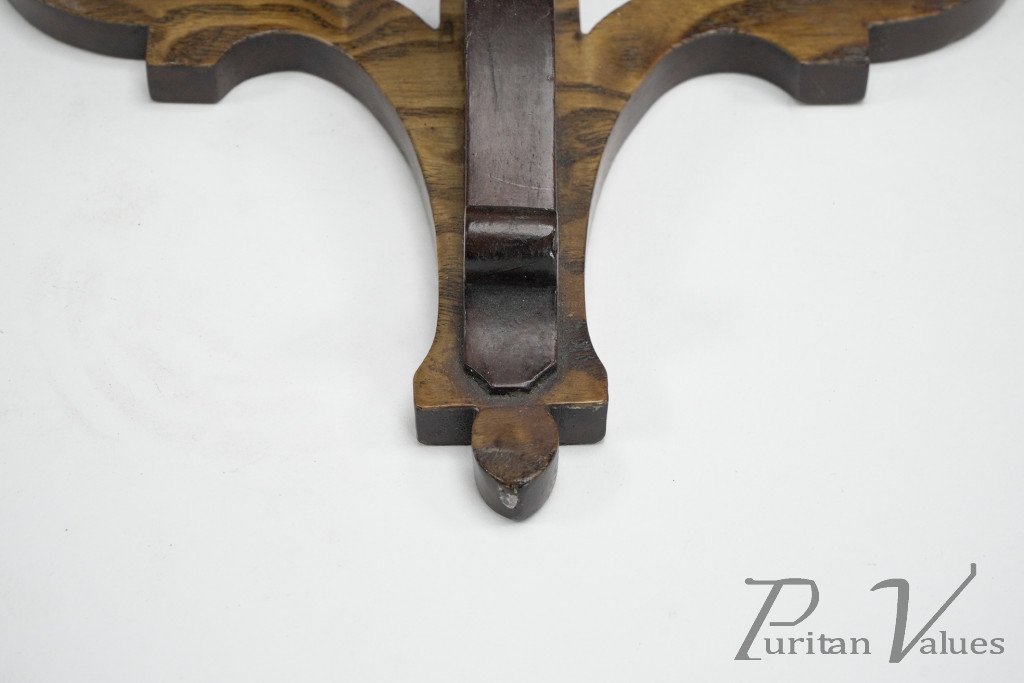
The lower three scrolled supports are also made of Ash and the central scroll support is made from Mahogany. Originally known as Marsh and Jones: Medieval Cabinet Makers of Leeds, they began making furniture around 1850 and became Marsh Jones and Cribb in 1867.
They exhibited at the Paris Exposition in 1878. They employed Charles Bevan, who in 1865 gave them licence to manufacture his successful 'New Registered Reclining Chair'.
Charles Bevan designed the furniture and interiors for the son of Sir Titus Salt for his marital home in Saltaire, which was all made by Marsh Jones and Cribb. Bruce James Talbert was also designing furniture for M JC in the 1870s and 1880s.