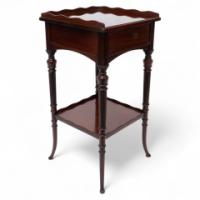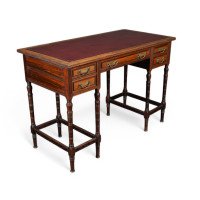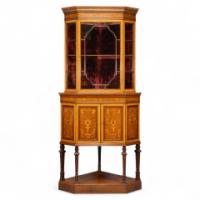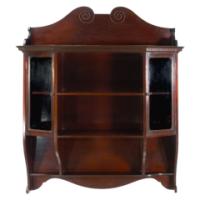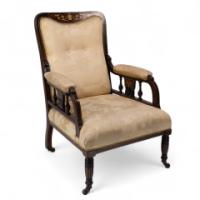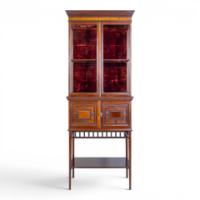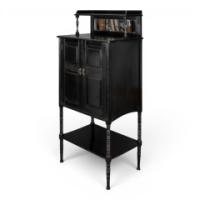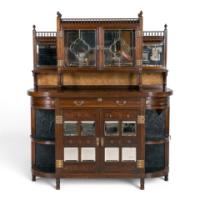
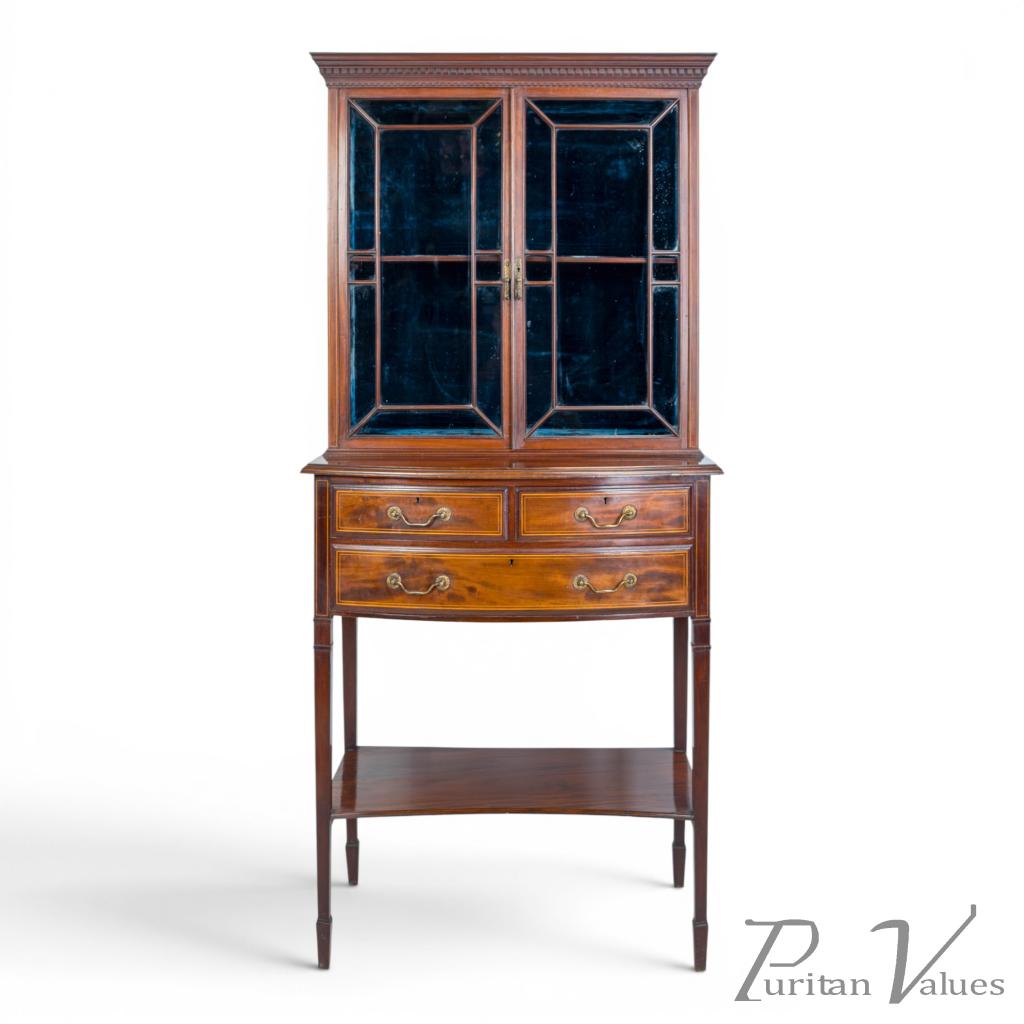
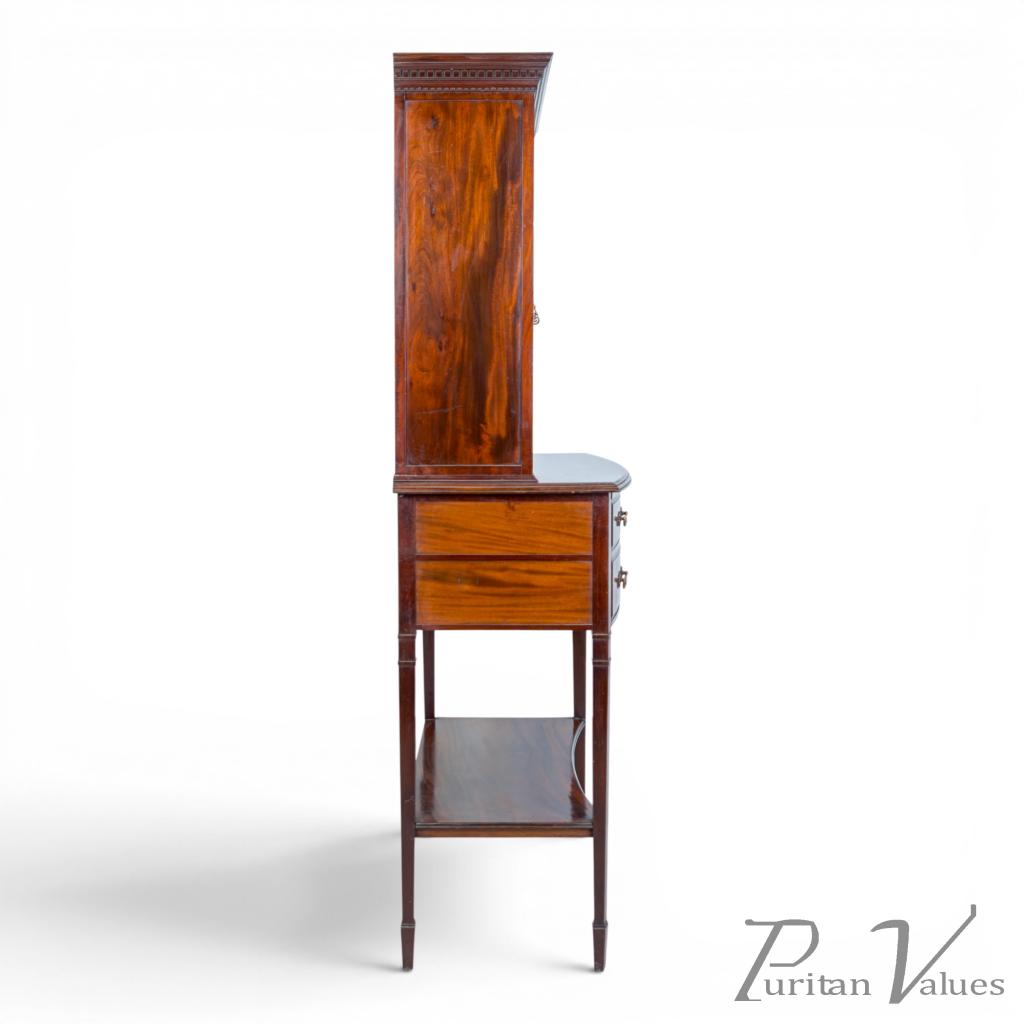
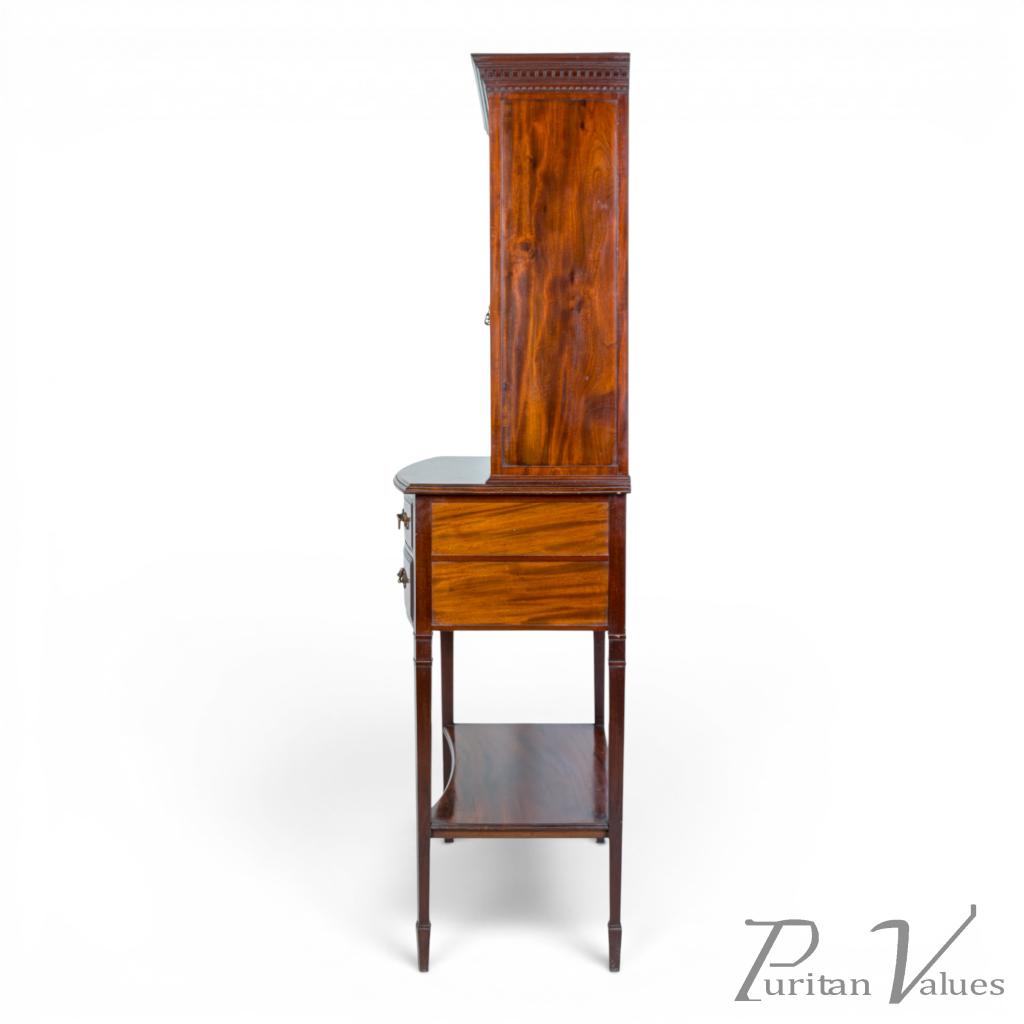
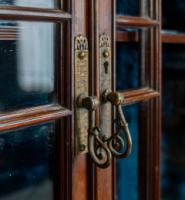
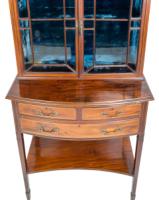
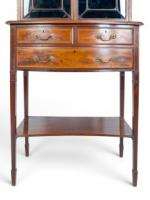
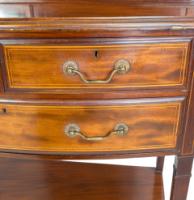
E. W. Godwin Attributed, Made by Collinson & Lock, Mahogany Display Cabinet
Price on Application
This item is price on application due to its rarity and importance.
Width: 32 in (81.28 cm)
Depth: 19 in (48.26 cm)
1880-1889
About this piece
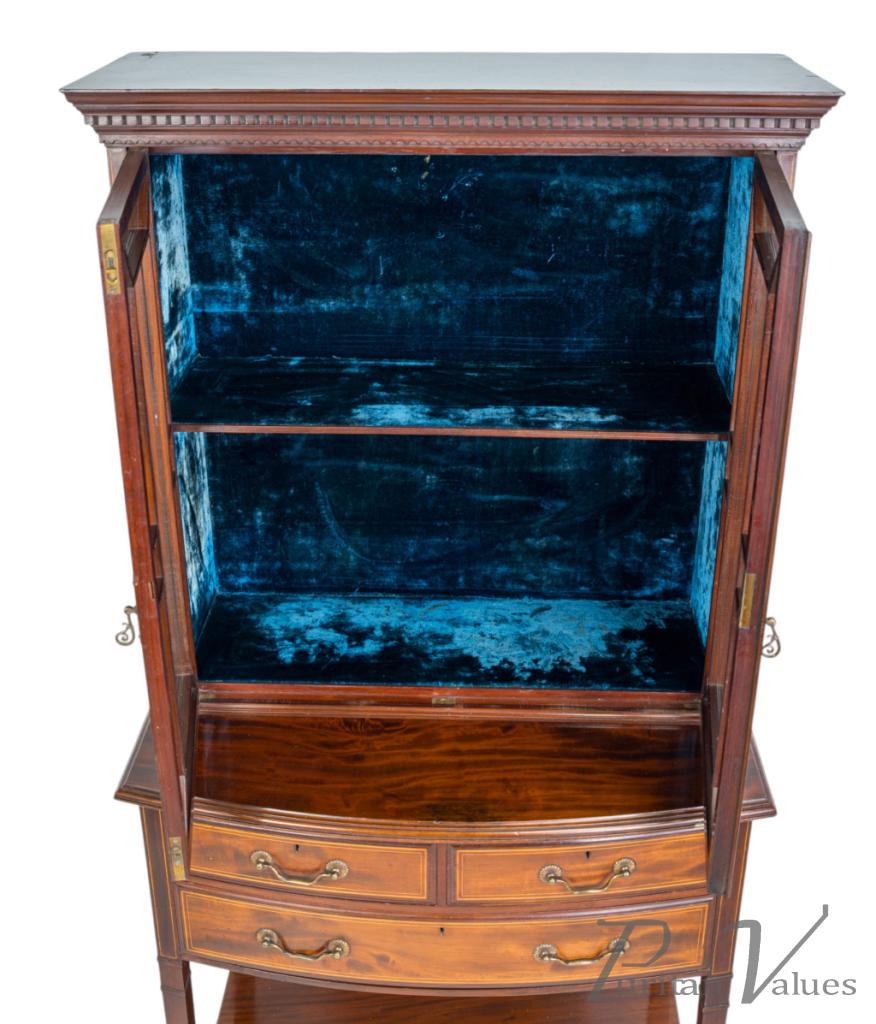
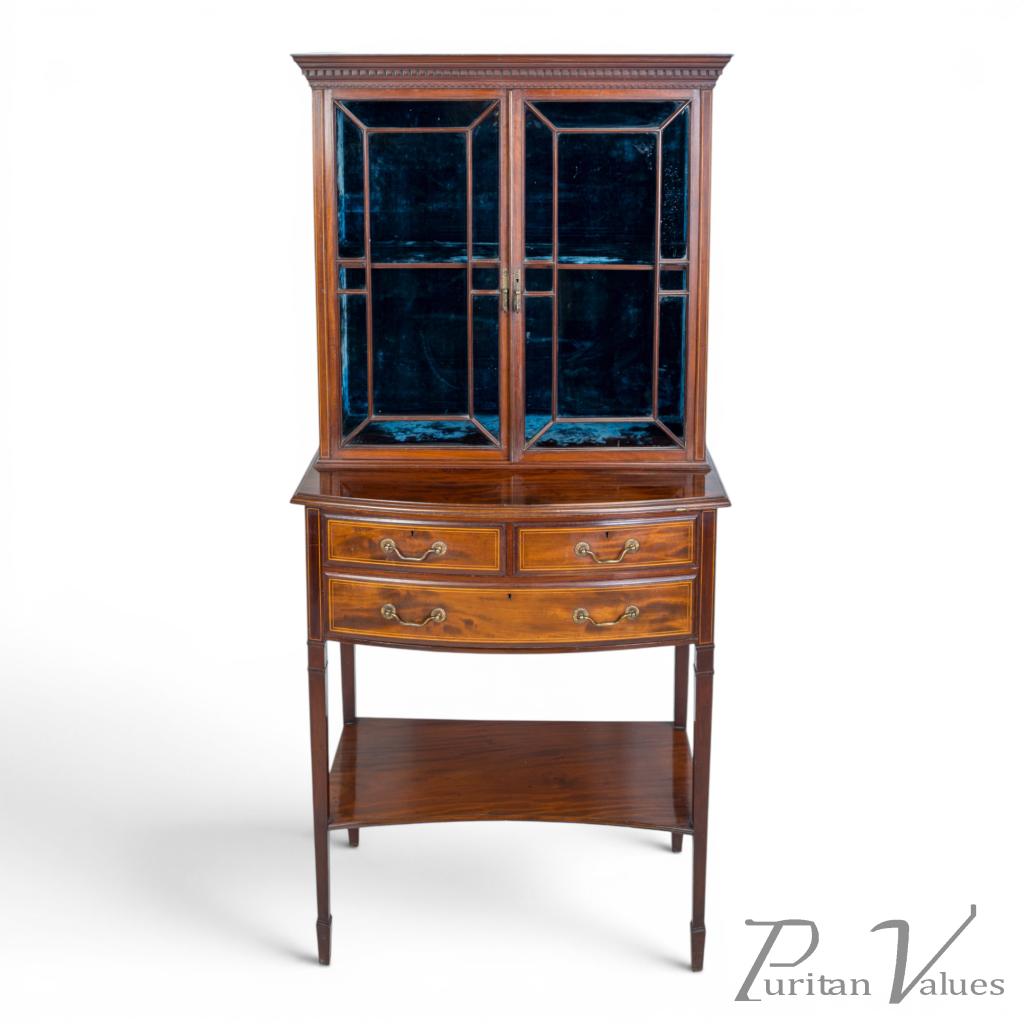
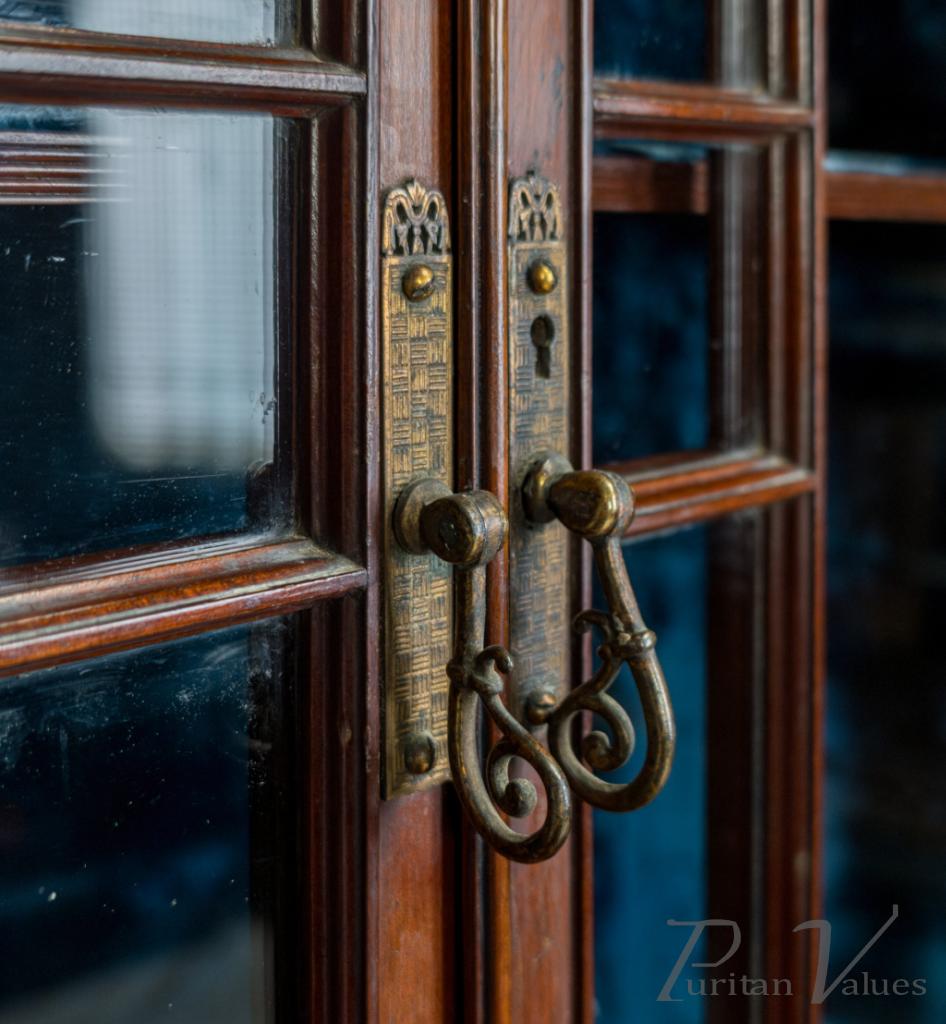
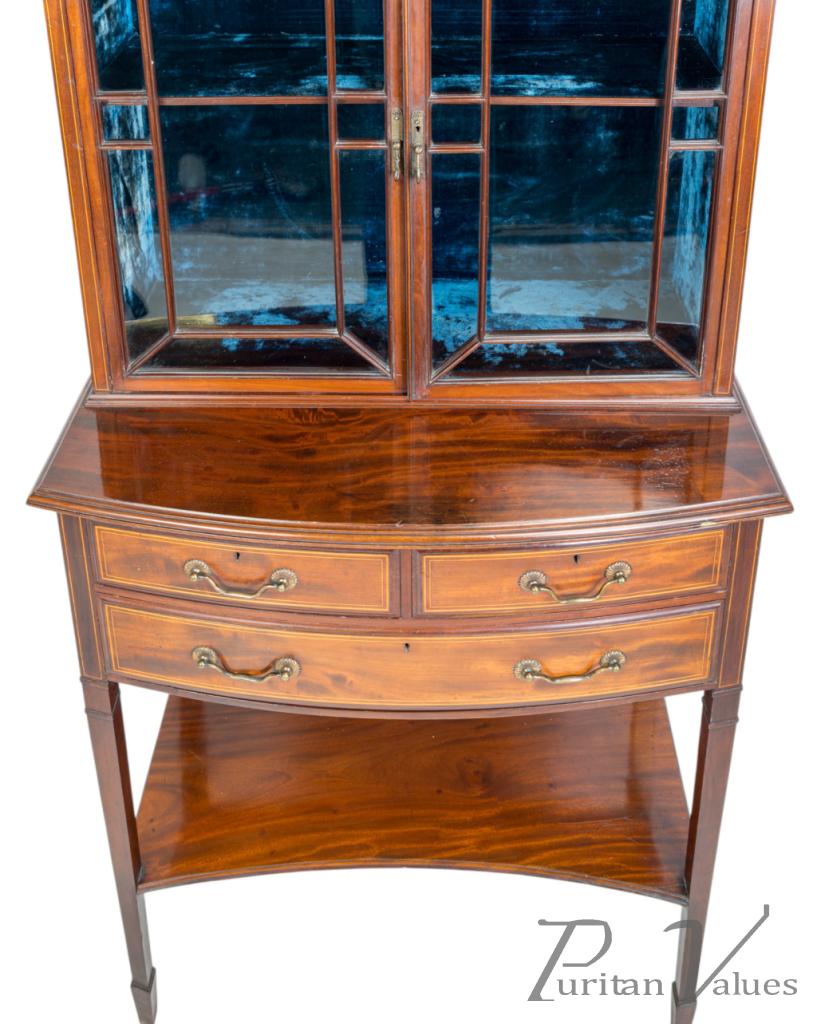
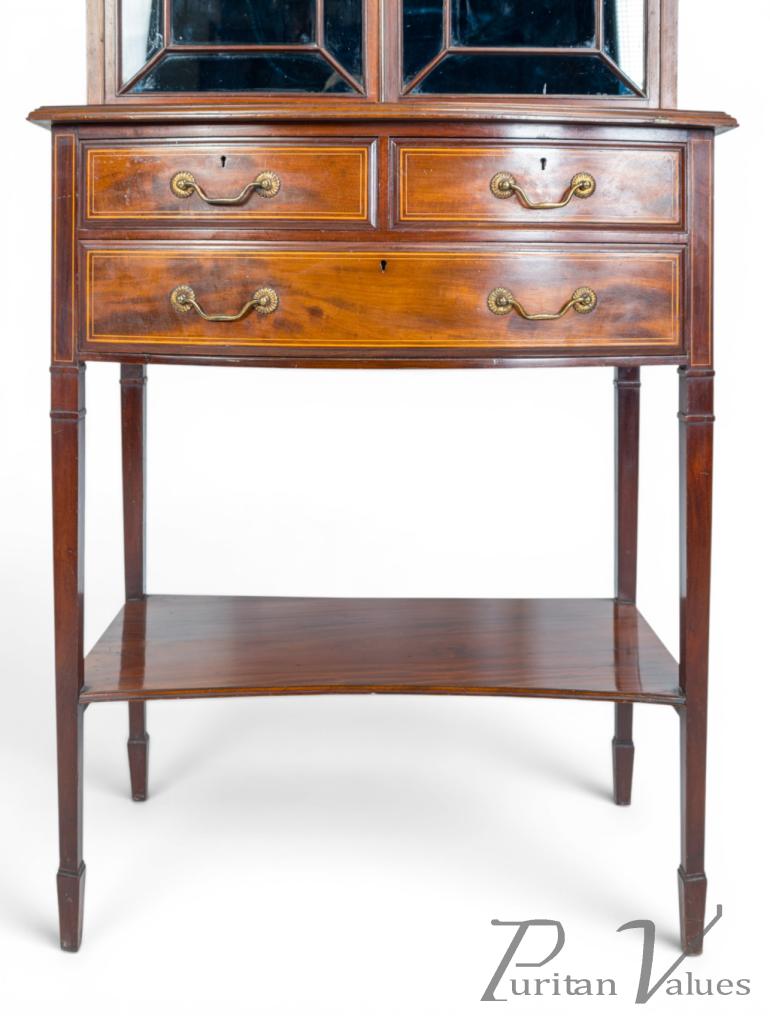
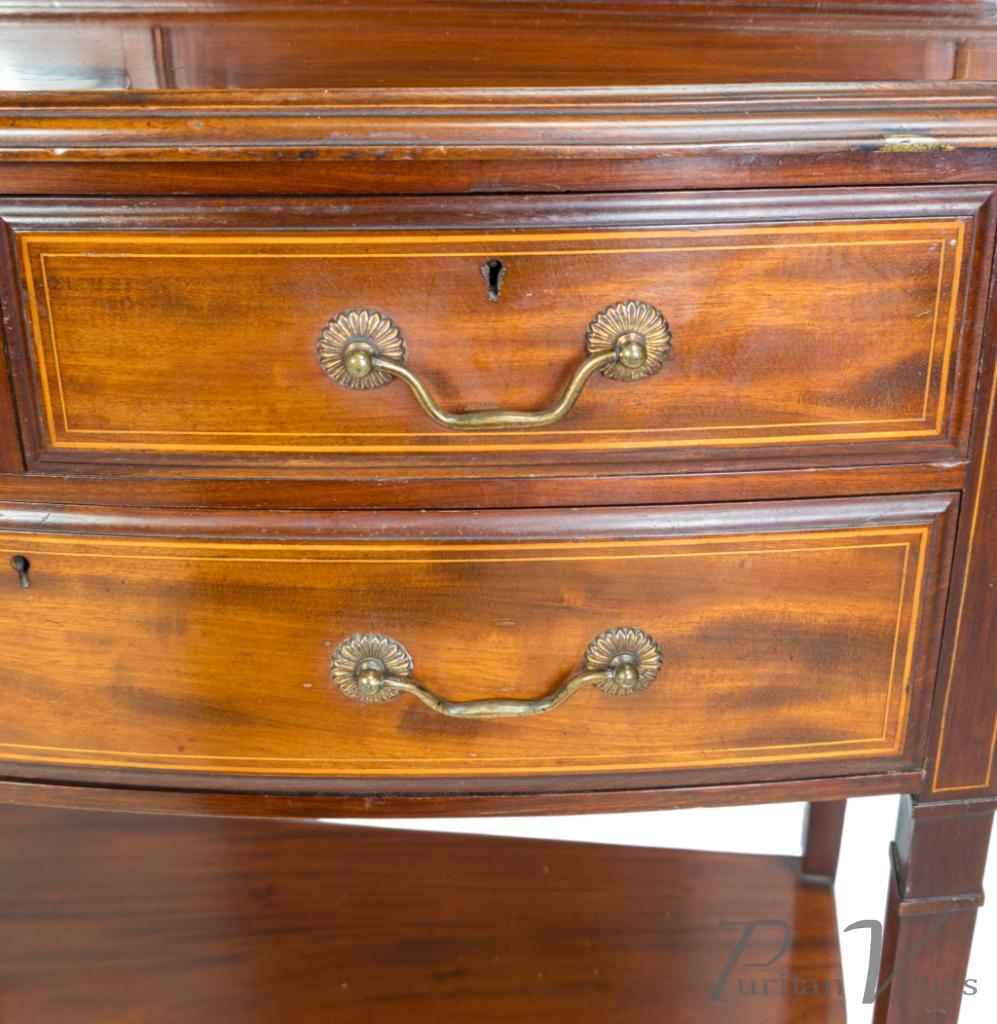
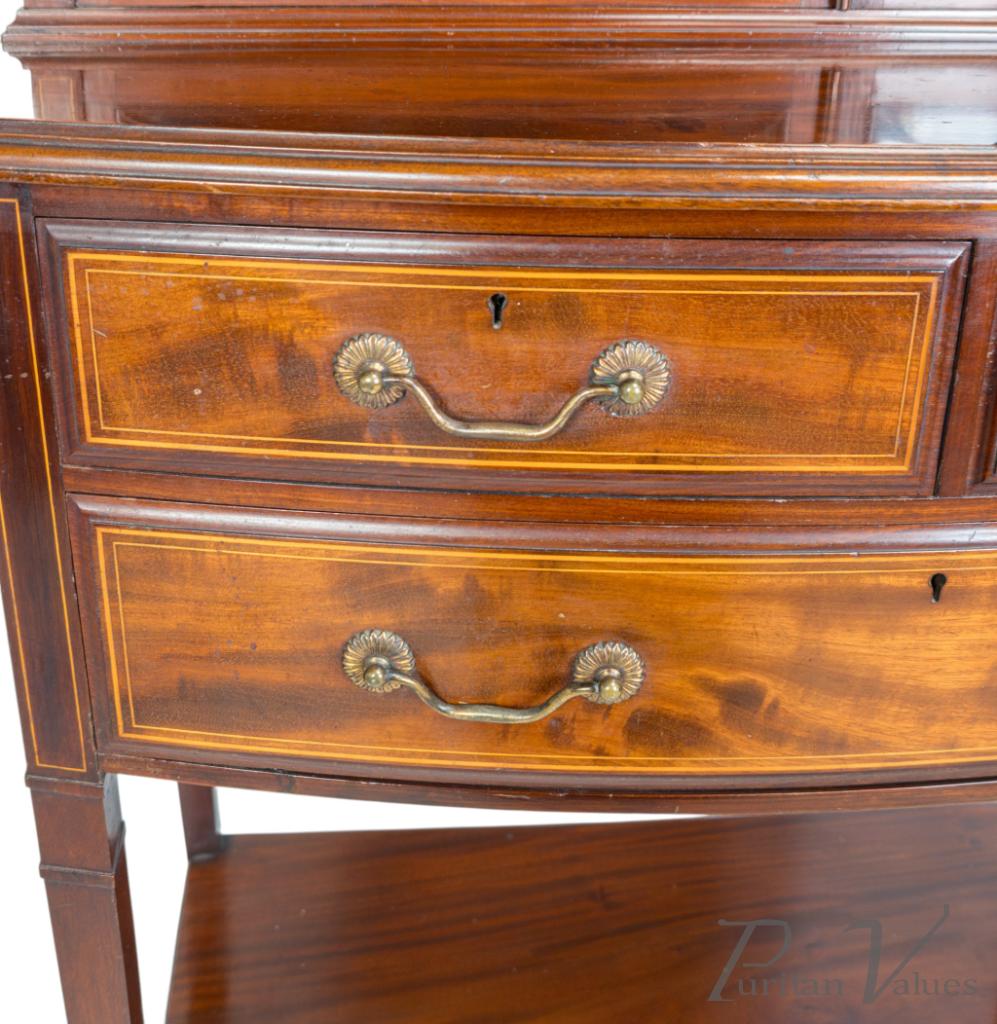
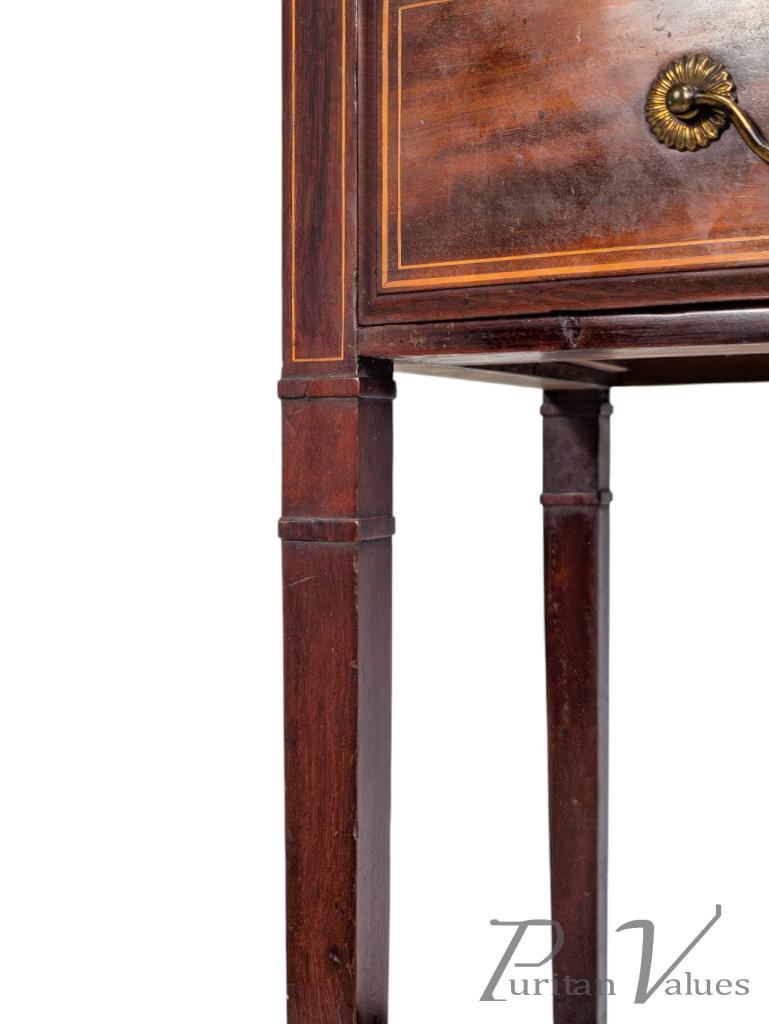
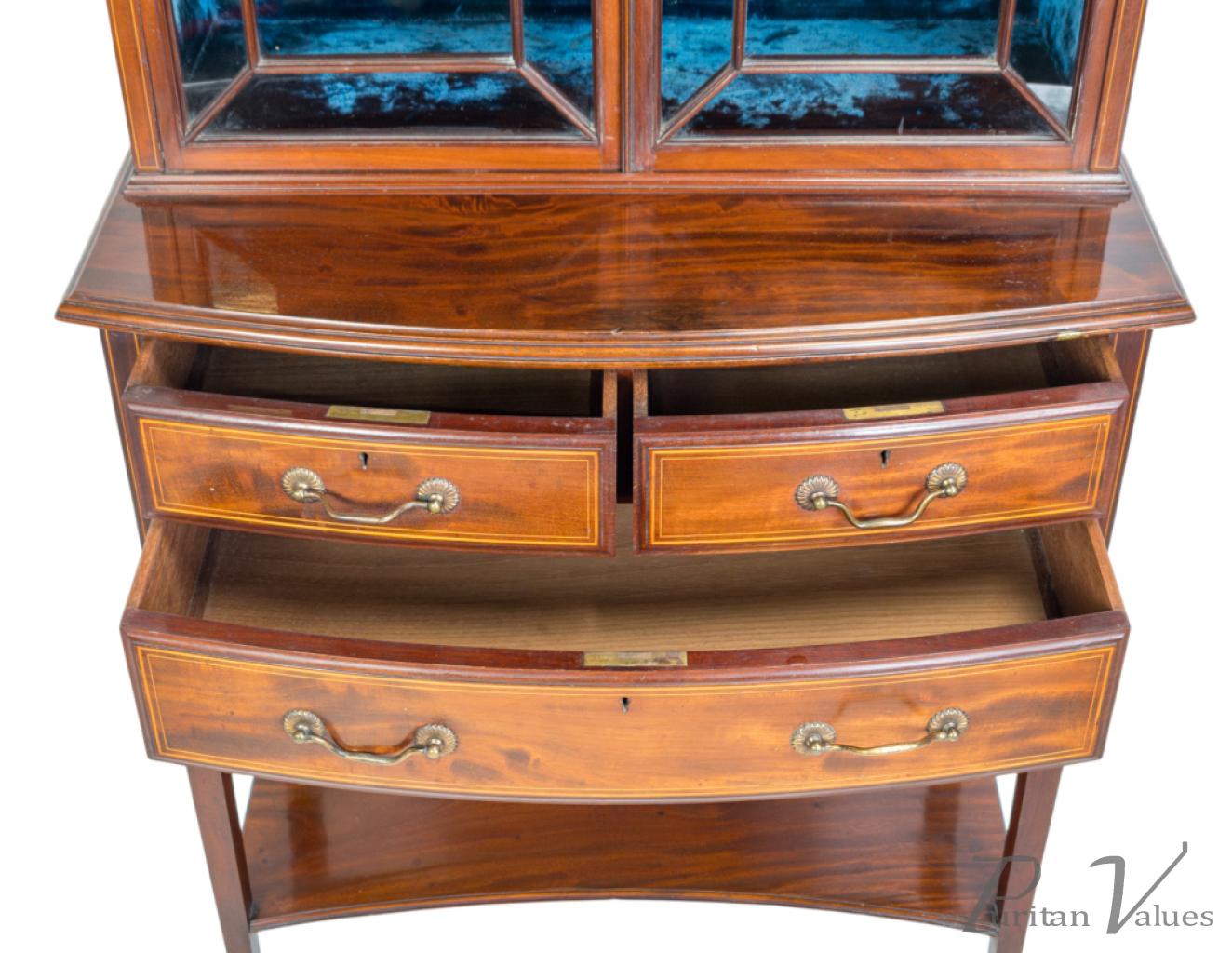
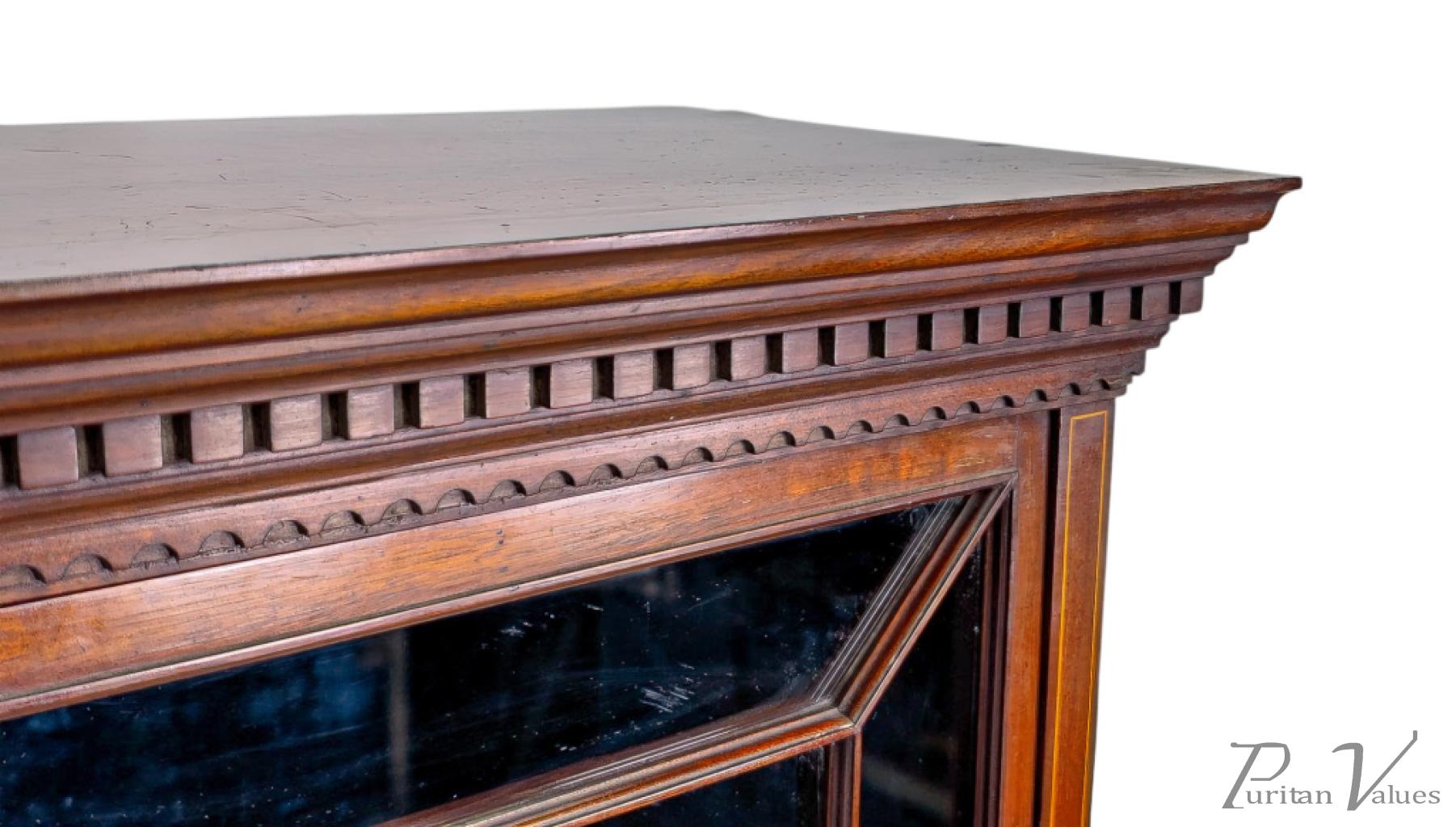
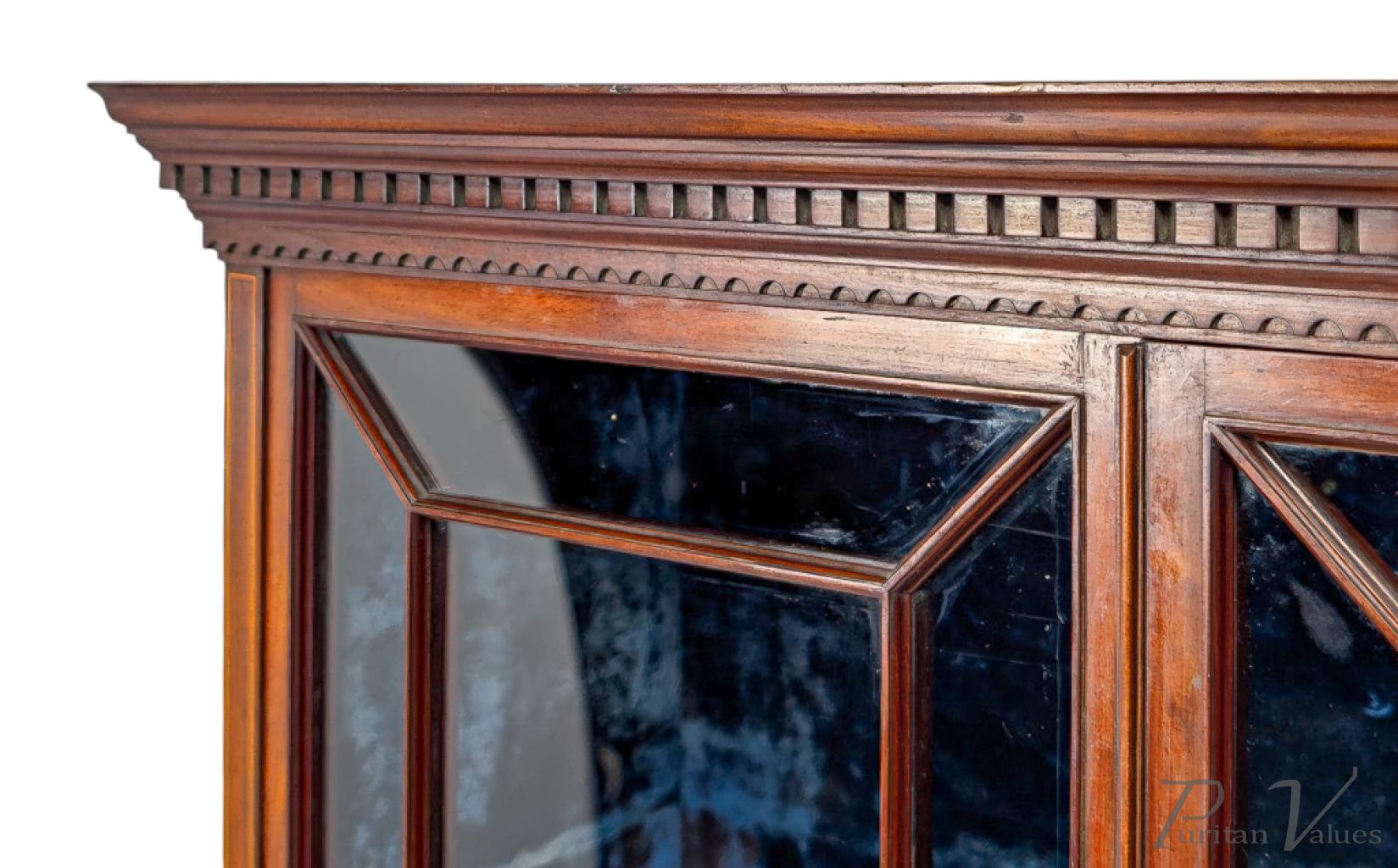
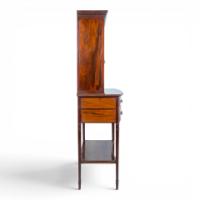
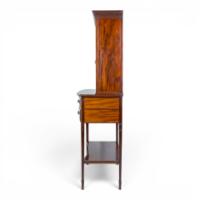
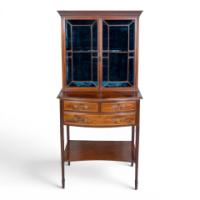
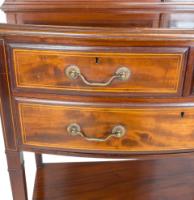
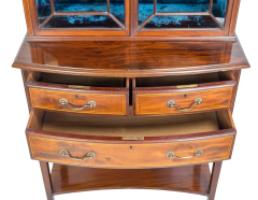
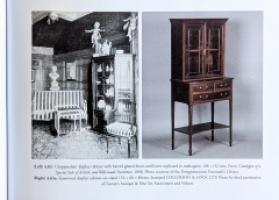
Attributed to E. W. Godwin and made by Collinson & Lock, this display cabinet in mahogany, glass, brass, satinwood line inlay and velvet aligns with the Aesthetic Movement (c.1860 to c.1900), c.1880.
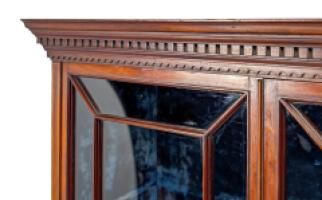
A fine-quality Anglo-Japanese mahogany and astragal-glazed cabinet with satinwood line inlay. The upper gallery has semi-circular sides supporting a half-stepped shelf, with vertical staggered uprights to the back, above and below the shelf.
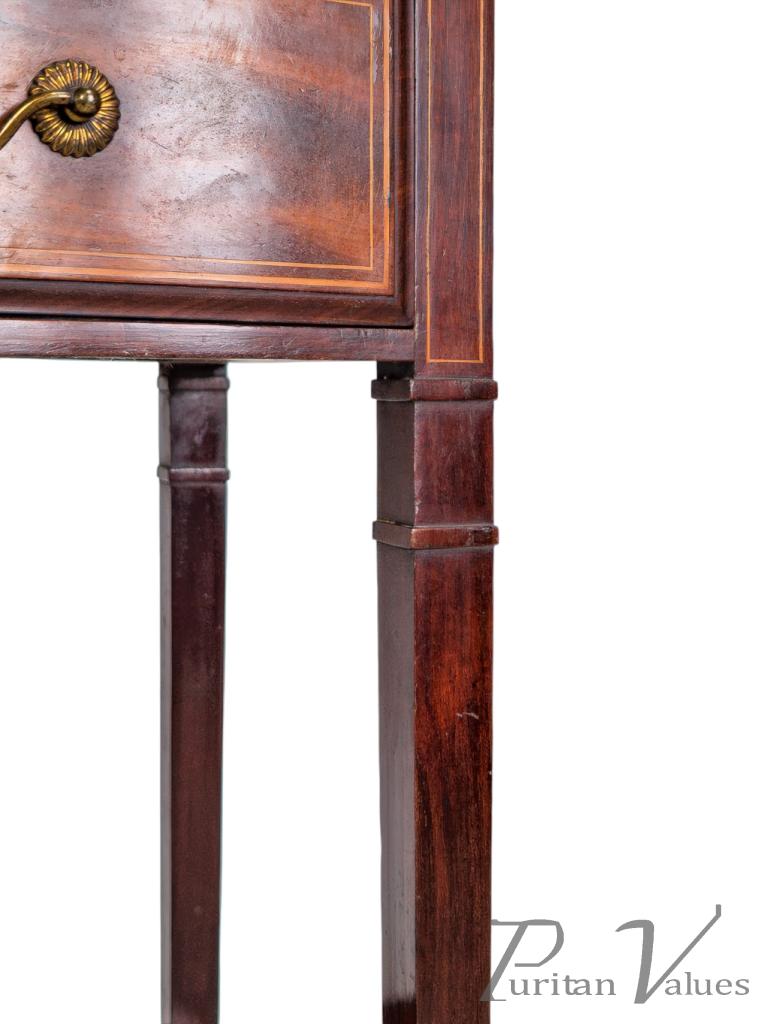
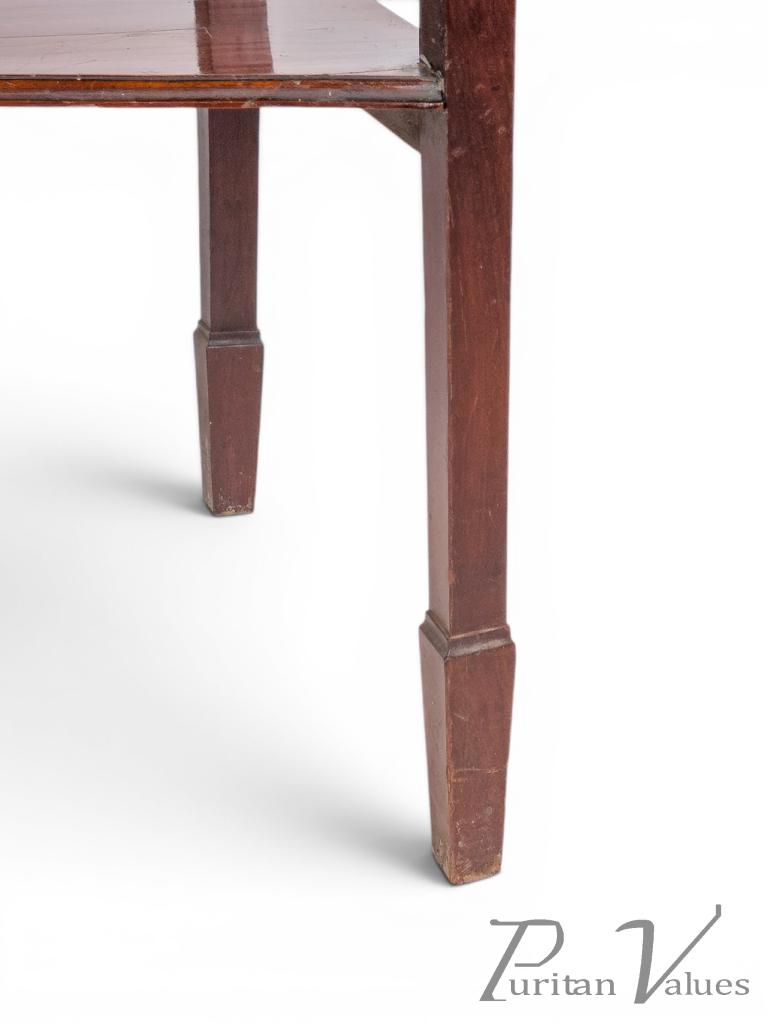
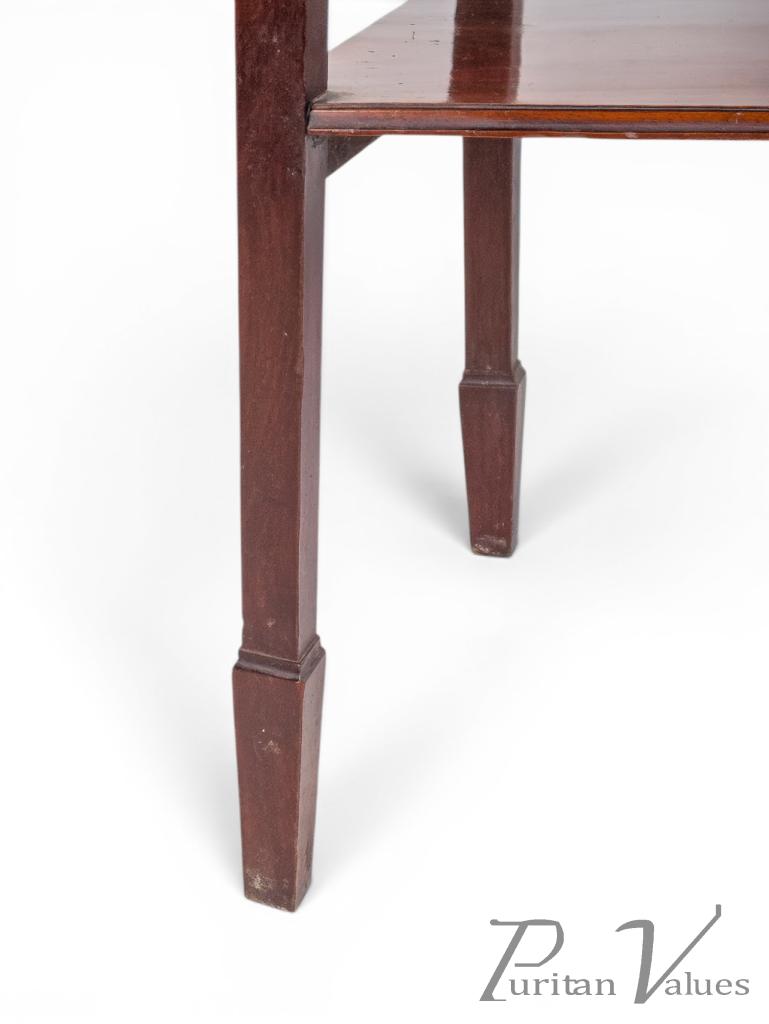
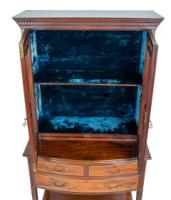
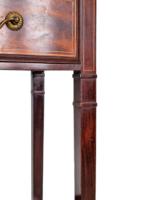
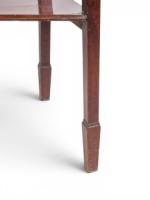
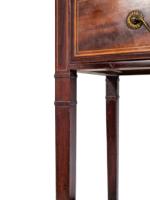
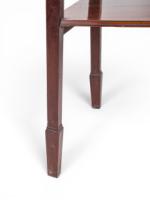
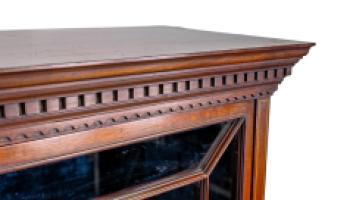
The lower uprights are positioned directly in line with the glazing bars on the doors. Dentil moulding sits below the top, with the doors opening to reveal the original plush velvet-lined interior and a fixed central shelf. The cabinet stands on tapering supports with shaped feet.
Stamped inside: “Collinson & Lock, London, 5689.”
The upper gallery, half-stepped shelf and staggered upright arrangement relate to documented Godwin cabinet designs reproduced in Susan Weber Soros, The Secular Furniture of E. W. Godwin .* A related cabinet is also recorded by H. Blairman & Sons in E. W. Godwin Furniture .**
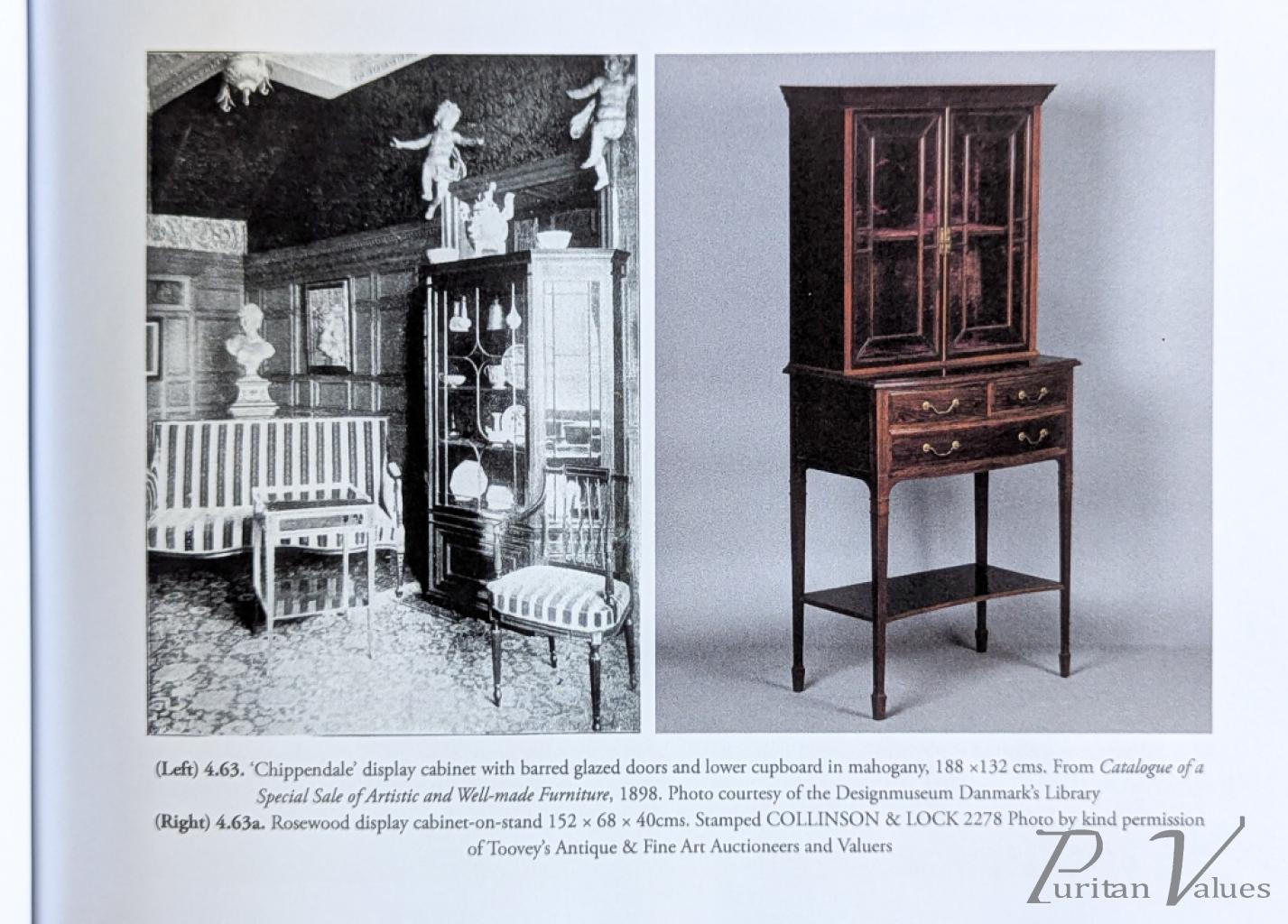
Collinson & Lock of London, Art Furnishers, was founded through the partnership of F. G. Collinson and G. J. Lock, both former employees of Jackson and Graham. Designers employed by the firm included T. E. Collcutt, architect of their premises; E. W. Godwin, who was paid a retainer to produce exclusive designs for the company from 1872 to 1874; H. W. Batley; and Stephen Webb.***
They made furniture for the new Law Courts to designs by G. E. Street, along with Gillows and Holland & Sons, and began decoration of the Savoy Theatre in 1881. Jackson and Graham was taken over in 1885, at the time when Collinson & Lock had moved to Oxford Street and begun to focus on expensive commissions for grand London houses. The firm was taken over by Gillows in 1897.****
The firm of Collinson & Lock was established in London in the third quarter of the nineteenth century and quickly achieved commercial success and a leading position in the field of design. In 1871, the firm issued an illustrated catalogue of Artistic Furniture , with plates by J. Moyar Smith, assistant to Christopher Dresser, and in 1873 was trading from newly built premises in St Bride Street.*****
The firm continued to produce high-quality items of furniture and soon began to experiment with new materials and designs, becoming especially associated with distinctive combinations of rich cabinet woods, inlay and intricate decorative detail. E. W. Godwin was their most important designer, and his Japanese-style designs for the firm were among the most advanced of the period.******
References / Provenance * Susan Weber Soros, The Secular Furniture of E. W. Godwin , p. 202, illus. 323, and p. 237, illus. 388, related Godwin cabinet designs.
- * H. Blairman & Sons, E. W. Godwin Furniture , no. 3, “Cabinet.”
- ** British and Irish Furniture Makers Online, Furniture History Society, “Collinson and Lock (1870–1897),” for the firm’s foundation, addresses, trade descriptions and chronology.
- *** British and Irish Furniture Makers Online, Furniture History Society, “Collinson and Lock (1870–1897),” for Jackson and Graham, Oxford Street and Waring and Gillow chronology.
- **** Clive Edwards, Collinson & Lock: Art Furnishers, Interior Decorators and Designers 1870–1900 , 2022, for the firm’s wider position in late nineteenth-century art furniture.
- ***** National Gallery of Victoria, Hanging Cabinet , E. W. Godwin attributed, Collinson & Lock attributed, c.1872–1875, used as institutional context for the Godwin and Collinson & Lock relationship in Anglo-Japanese furniture.
Provenance: Stamped inside “Collinson & Lock, London, 5689.”